Disclaimer: You are using Google Translate. The ICESCO is not responsible for the accuracy of the information in the translated language .

your opinion

User Feedback

Overall, how satisfied are you about the website?

    [uacf7_star_rating* rating class:rating_stars icon:star1 "default"]

    Extremely Dissatisfied
    Extremely Satisfied


    ICESCO Director-General and Omani Minister of Social Development Discuss Strengthening Cooperation in Safe Childhood, Civilizational Upbringing

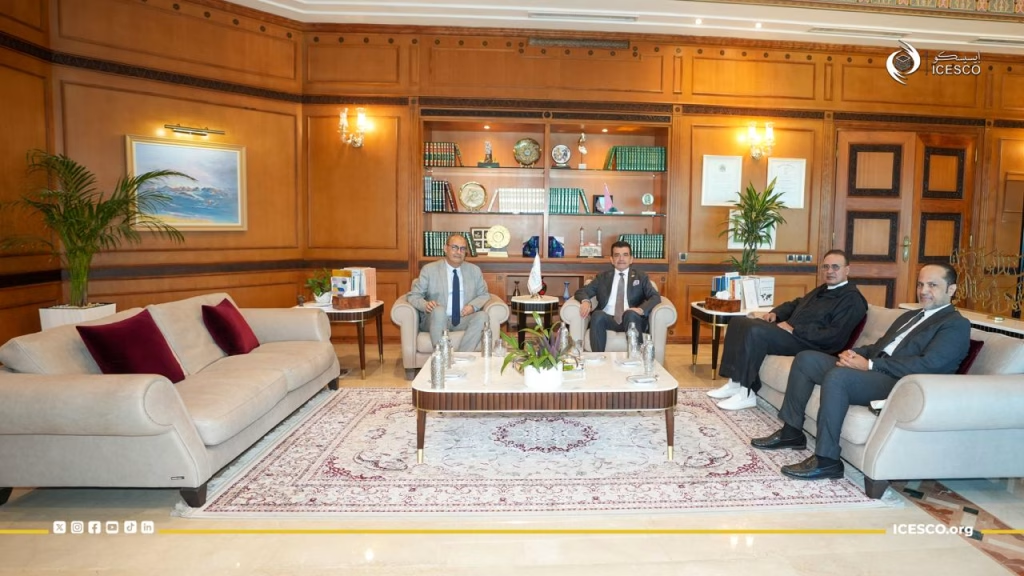
    Dr. Salim M. AlMalik, Director-General of the Islamic World Educational, Scientific and Cultural Organization (ICESCO), received Dr. Laila bint Ahmed Al Najjar, Minister of Social Development of the Sultanate of Oman, on Friday, 17 April 2026, at the Organization’s headquarters in Rabat, to discuss ways to strengthen cooperation between ICESCO and the Ministry in the fields of safe childhood, family cohesion, and civilizational upbringing.
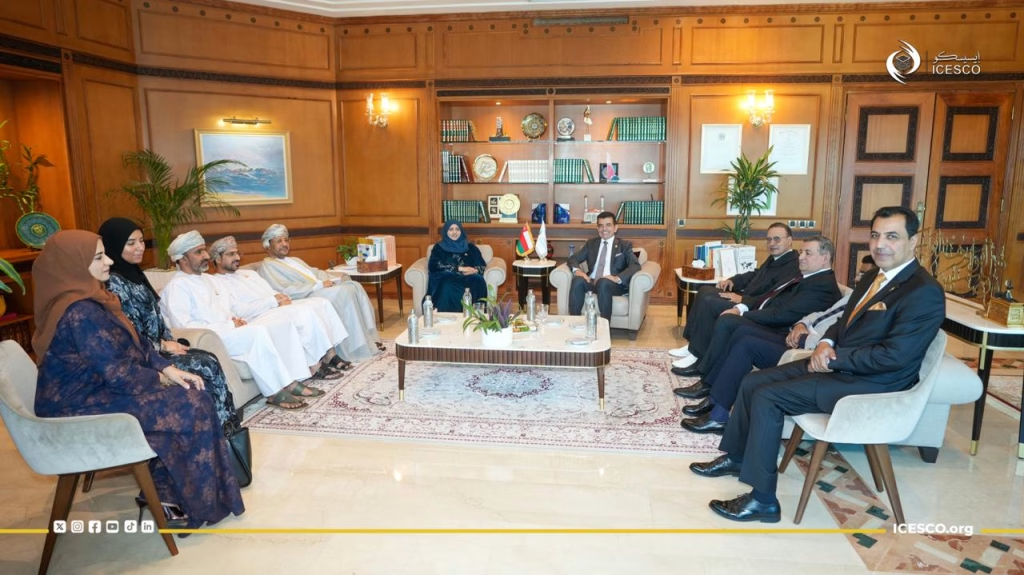
    During the meeting, attended by Ambassador Khalid Salim Bamakhalif, Ambassador of the Sultanate of Oman to the Kingdom of Morocco, Dr. AlMalik expressed ICESCO’s pride in its distinguished partnership with the Sultanate of Oman, which has resulted in the joint organization of activities, programs, conferences, and projects, most recently the inauguration of the Sultan Qaboos Library at ICESCO’s headquarters with the generous support of the Sultanate of Oman.
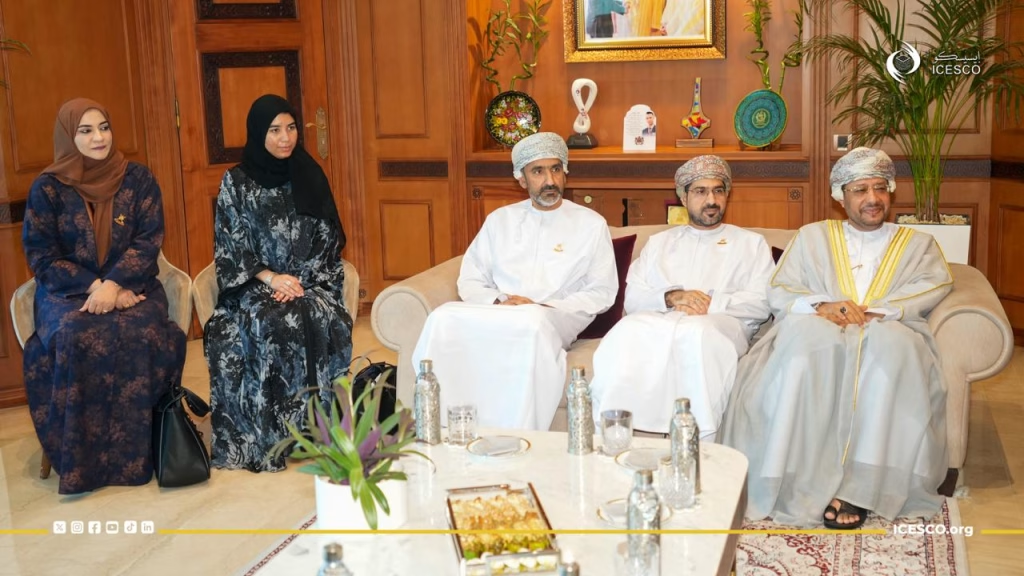
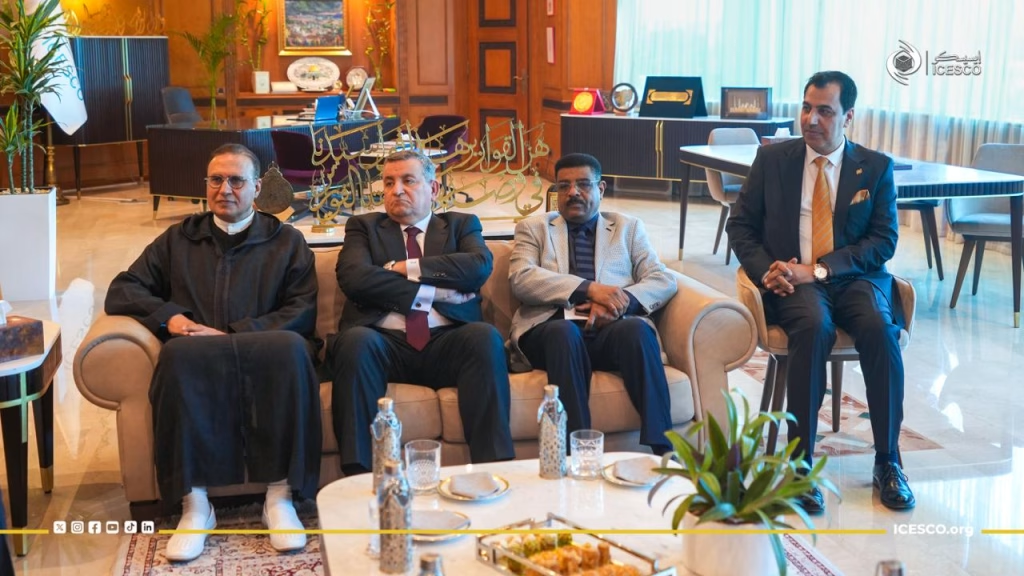
    The Director-General underscored the importance of cooperation in raising awareness of the concept of civilizational upbringing, with a view to strengthening young people’s attachment to the values of the Islamic world while encouraging openness to world cultures. He also reviewed ICESCO’s contributions to building the leadership and creative capacities of youth and women in the Islamic world through the development of training programs in modern technologies and innovation.
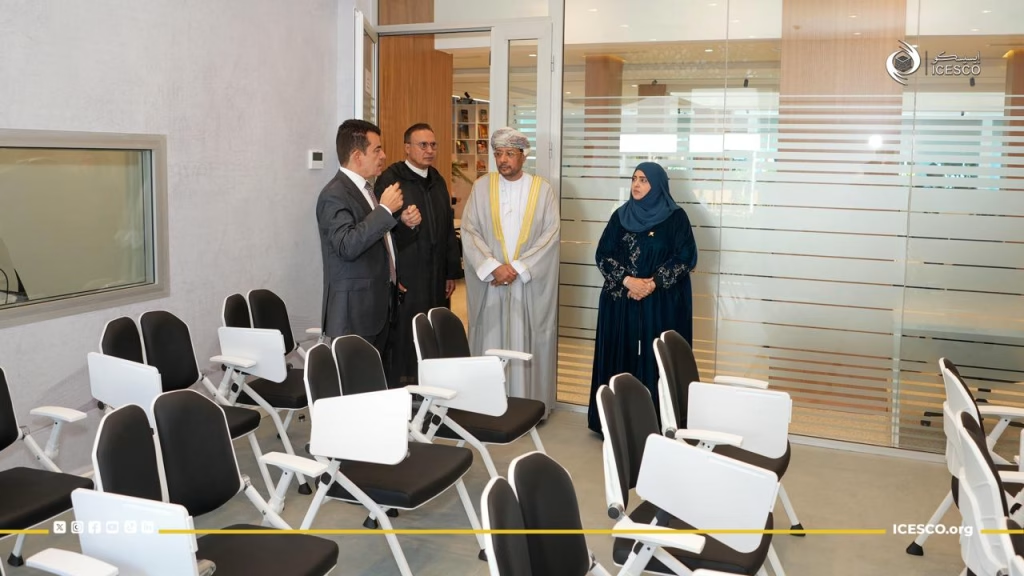
    For her part, the Omani Minister commended ICESCO’s efforts in keeping pace with contemporary issues and the priorities of the Organization’s Member States, in disseminating knowledge and maximizing benefit. She expressed the Ministry’s willingness to develop programs and projects in the areas of safe childhood and family cohesion, and to harness modern technologies to support persons with disabilities.
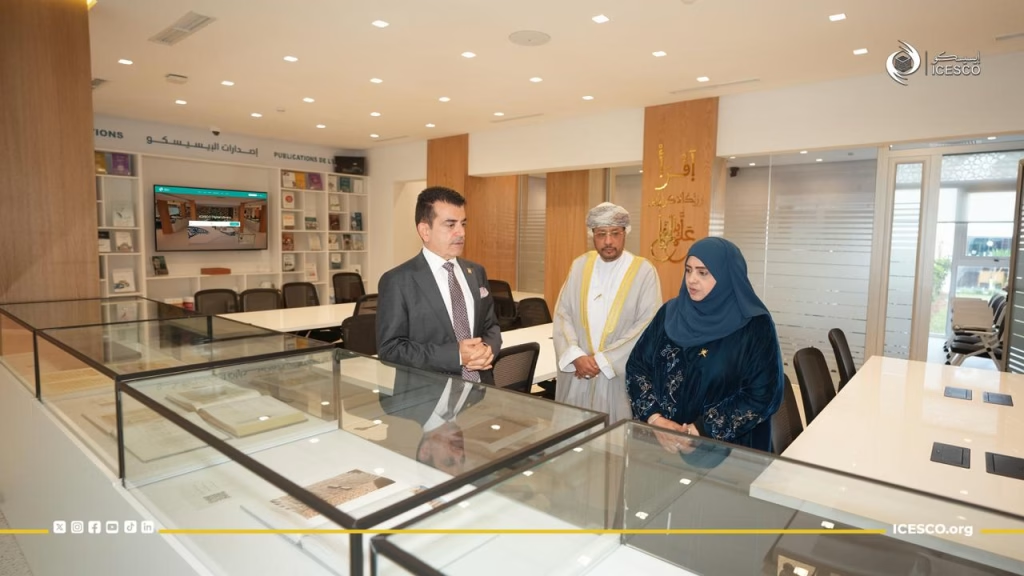
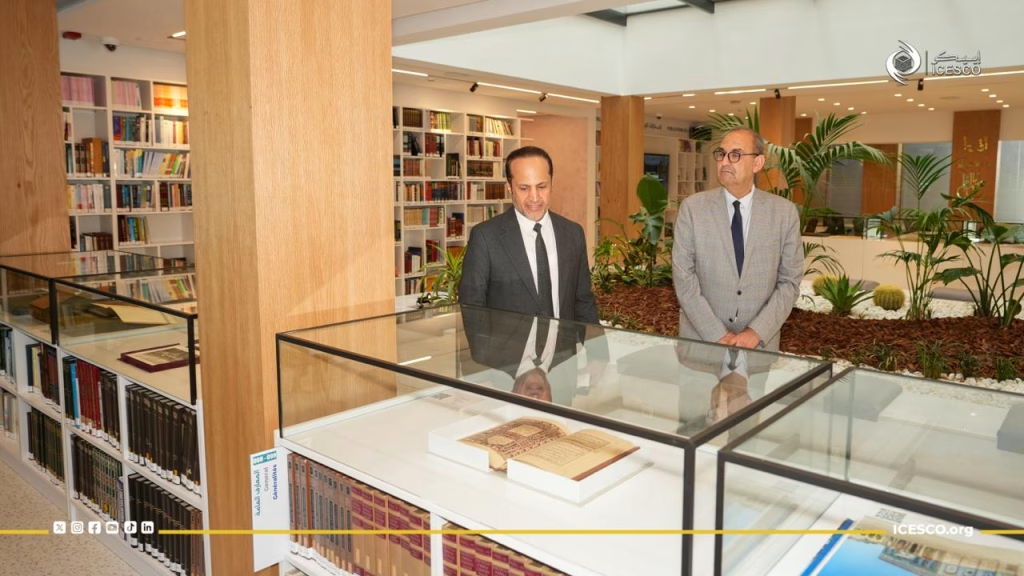
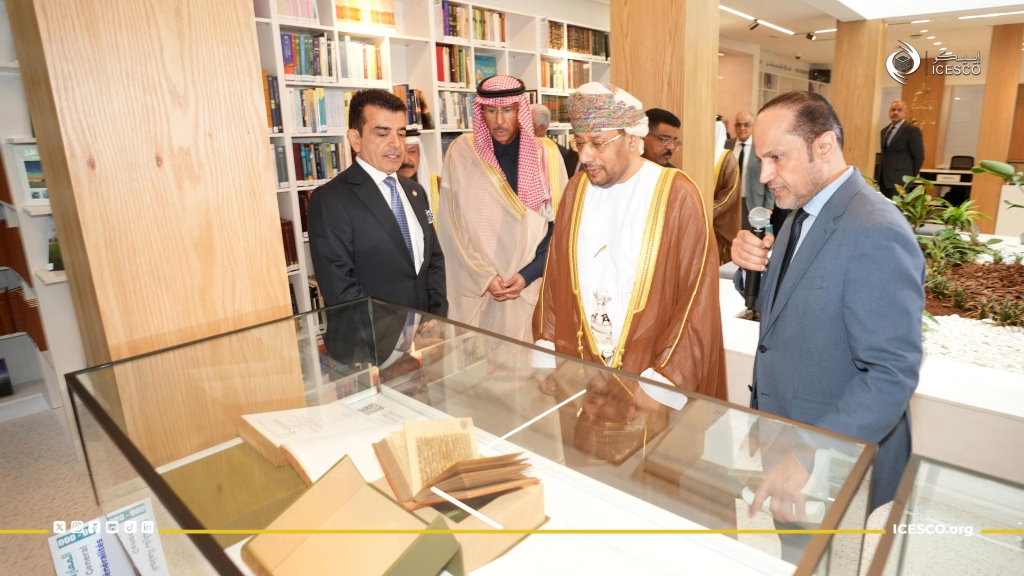
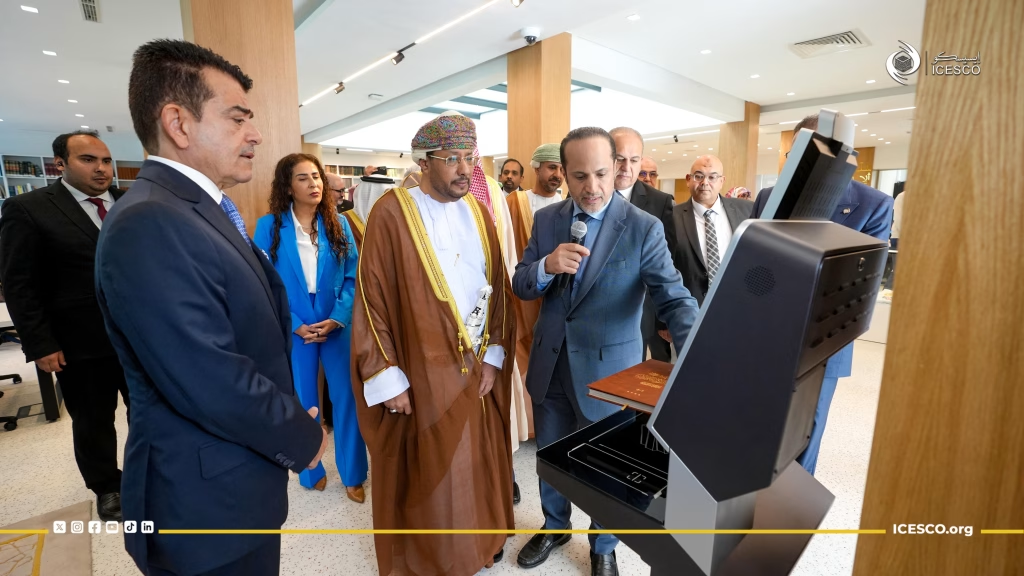
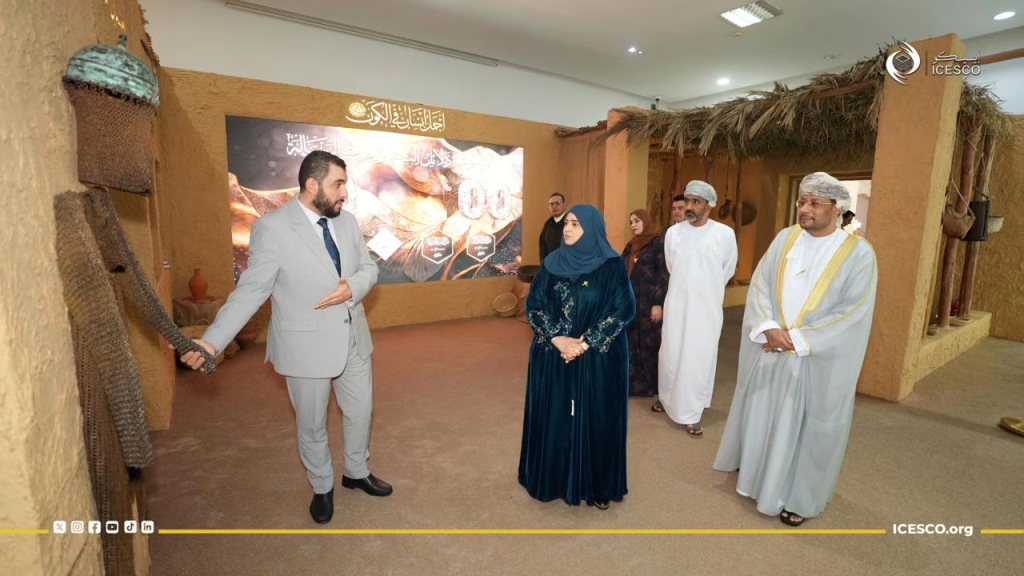
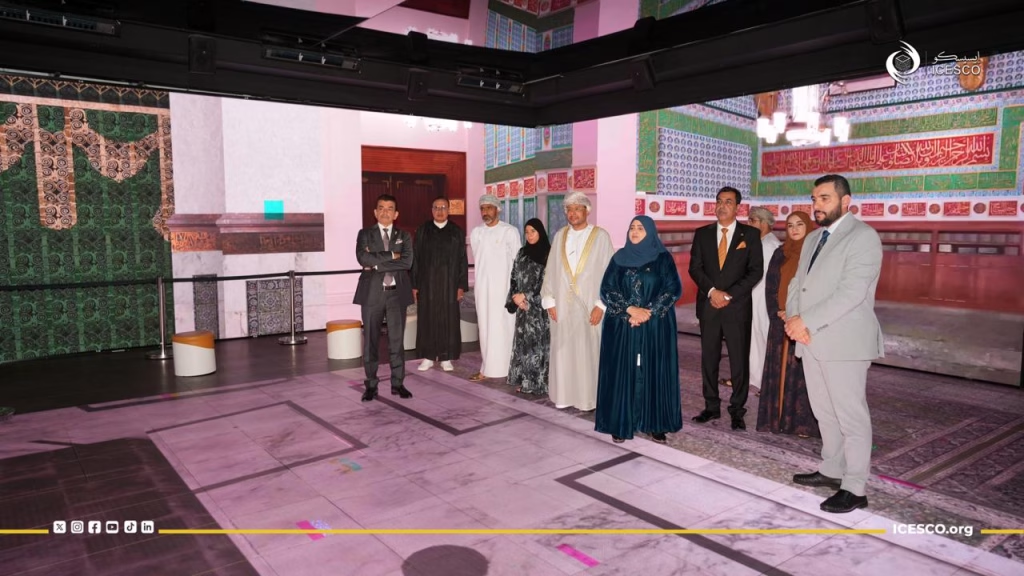
    Following the meeting, Dr. AlMalik accompanied the Minister and her delegation on a tour of the Sultan Qaboos Library, which houses more than 6,000 printed titles, nearly 200,000 digital publications, and a number of rare documentary treasures, including a copy of the Holy Quran handwritten by Ibn al-Bawwab. They also visited the International Exhibition and Museum of the Prophet’s Seerah and Islamic Civilization housed at ICESCO’s headquarters.
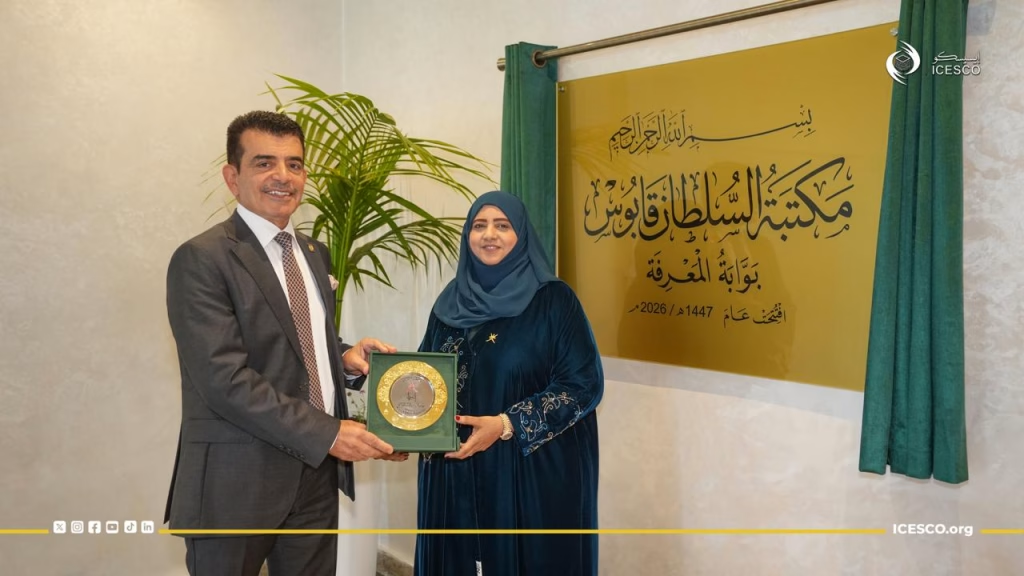
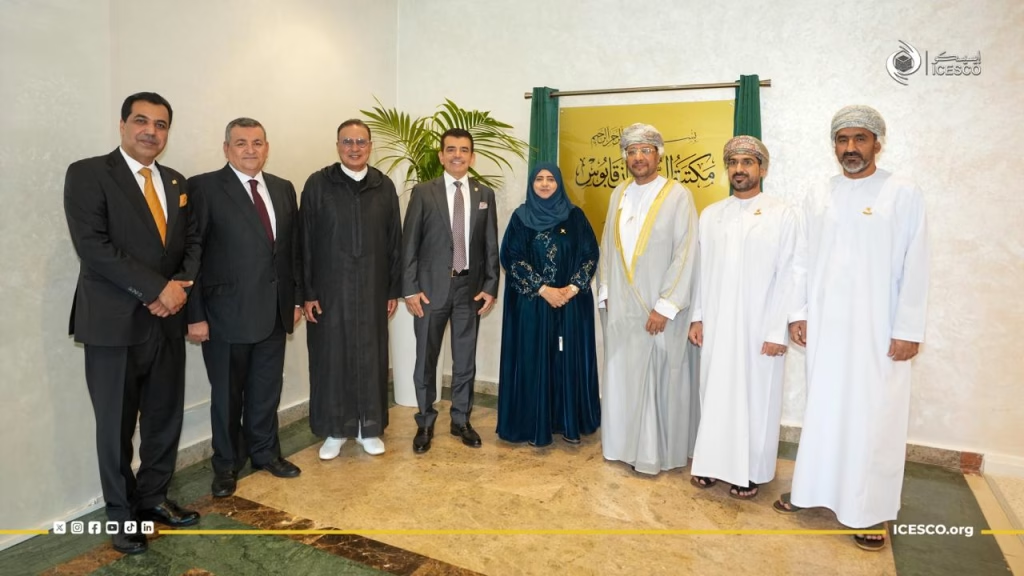
    The meeting also saw the presence of Dr. Abdelilah Benarafa, Deputy Director-General; Mr. Osama Heikal, Head of the Media and Communication Sector; Dr. Sally Mabrouk, Director of the Director-General’s Office and Supervisor of the Strategy and Institutional Excellence Sector; Ms. Ramata Almamy Mbaye, Head of the Human and Social Sciences Sector; Ambassador Khaled Fatahalrahman, Director of the Center for Civilizational Dialogue; and Dr. Salim Al-Habsi, Director of the General Secretariat of National Commissions and Conferences.
    ICESCO, King Abdulaziz Library in Morocco Explore Enhanced Cooperation in Knowledge Dissemination and Manuscript Preservation

    Dr. Salim M. AlMalik, Director-General of the Islamic World Educational, Scientific and Cultural Organization (ICESCO), held a meeting today, Friday, 17 April 2026, with Mr. Mohamed El Ferrane, Director of the King Abdulaziz Public Library in the Kingdom of Morocco, to discuss ways and mechanisms to strengthen cooperation between the Sultan Qaboos Library at ICESCO and the King Abdulaziz Public Library in the dissemination of knowledge, the exchange of expertise in the cultural field, and the preservation and valorization of manuscripts.

    During the meeting, held at the Organization’s headquarters in Rabat, Dr. AlMalik stressed that the Islamic world is rich in a vast collection of manuscripts and rare books, which necessitates enhanced cooperation among organizations and libraries across ICESCO Member States to develop mechanisms for safeguarding this invaluable heritage. He also highlighted ICESCO’s efforts in implementing programs and projects aimed at promoting the history and culture of the Islamic world.

    For his part, Mr. El Ferrane expressed the readiness of the King Abdulaziz Public Library to strengthen its partnership with ICESCO and the Sultan Qaboos Library in developing a network of libraries across the Organization’s Member States, and in organizing international seminars and conferences to raise awareness of the manuscripts of the Islamic world and its rich heritage.

    The two parties agreed to establish a technical team to identify a number of joint activities, programs, and projects of mutual interest, with a view to signing a partnership agreement in the near future.

    ICESCO was represented during the Meeting by Dr. Abdelilah Benarafa, Deputy Director-General, and Dr. Ahmed AlBanyan, Director of the Translation and Publishing Center. Following the meeting, Mr. El Ferrane toured the Sultan Qaboos Library, which was inaugurated in a grand ceremony earlier this week.

    ICESCO Organizes Training Course on Arabic Calligraphy for Teachers and Students in Qatar

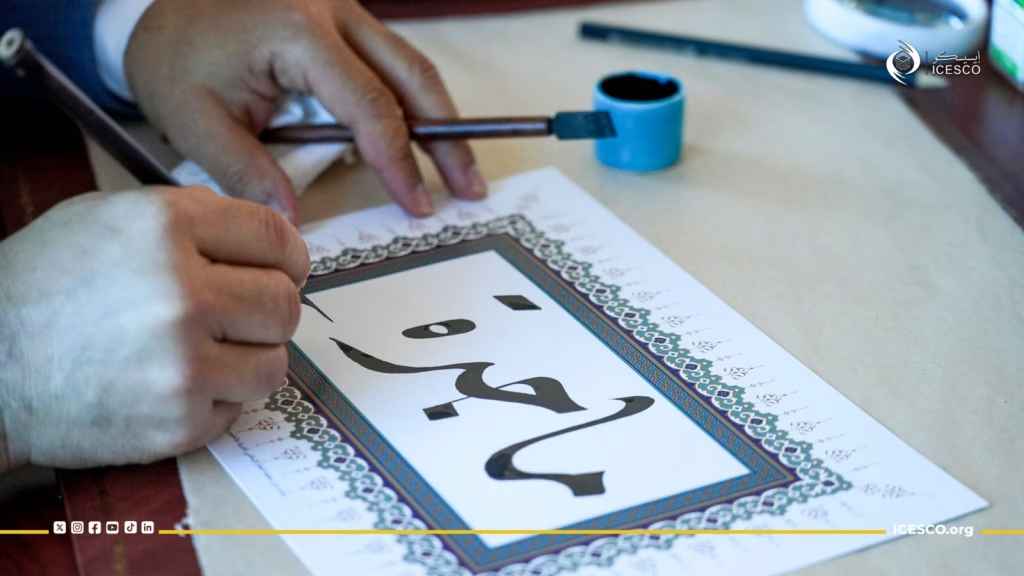
    The Islamic World Educational, Scientific and Cultural Organization (ICESCO), in cooperation with the Qatari National Commission for Education, Culture and Science, held a virtual training course titled: “The Art of Arabic Calligraphy: A Journey of Creativity Among Letters,” for the benefit of 20 students from Qatari public schools and a number of teachers, from 13 to 16 April 2026.

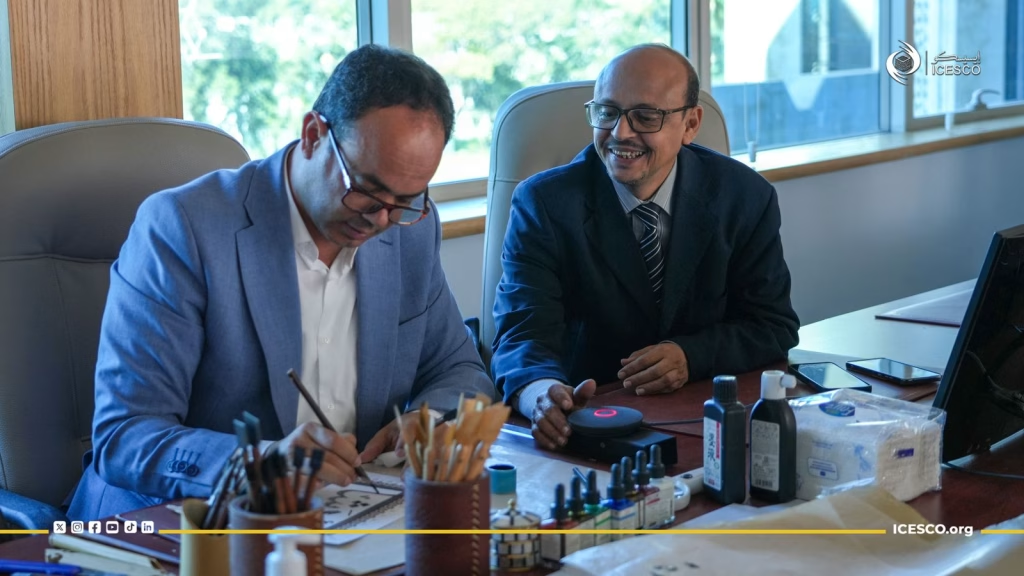
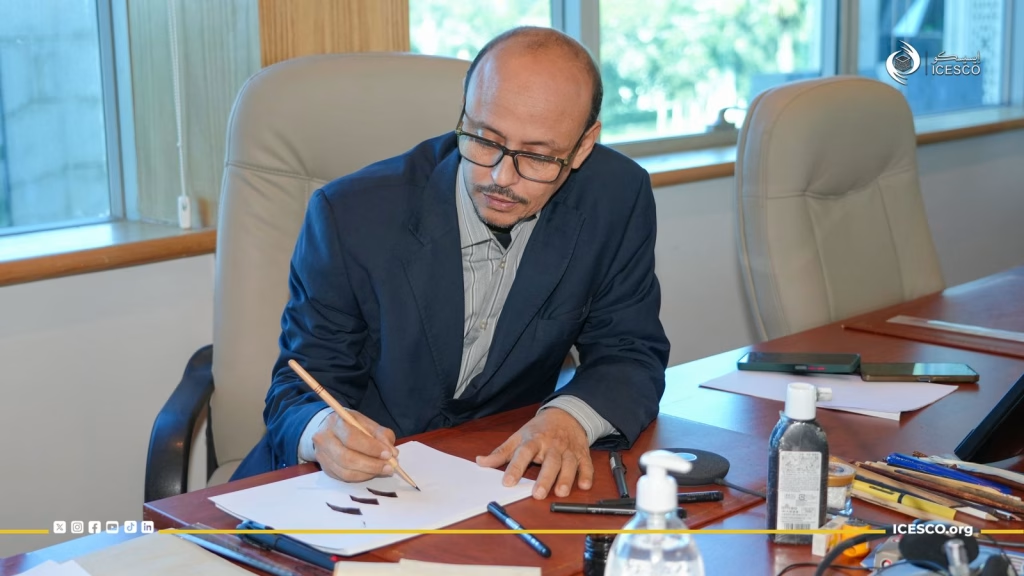
    The course featured lectures delivered by Mr. Ali Hassan and Mr. Ahmedou Mohameden, experts at ICESCO’s Center for Calligraphy and Manuscripts. The lectures addressed the history of Arabic calligraphy and its civilizational significance, the main challenges it faces, and ways to safeguard and preserve it. They also reviewed the most important types of Arabic calligraphy and their artistic and aesthetic characteristics.

    The course also included practical training workshops dedicated to introducing the tools of Arabic calligraphy, such as pens, inks, paper, and others, in addition to practical explanations on paper treatment, ink making, and the correct use of various tools, contributing to the consolidation of theoretical knowledge and the refinement of participants’ technical skills.

    Participants also received explanations of the basic principles of Arabic calligraphy and training on how to write Arabic letters in Naskh script, the rules for connecting them, and the arrangement of words and lines, in addition to the foundations of creating artistic calligraphic works.

    In conclusion, participants were given guidance and advice on improving handwriting, maintaining the skills acquired during the course, and continuously developing their artistic abilities in the field of Arabic calligraphy.

    ICESCO Launches 4th Edition of its LTIPS Program

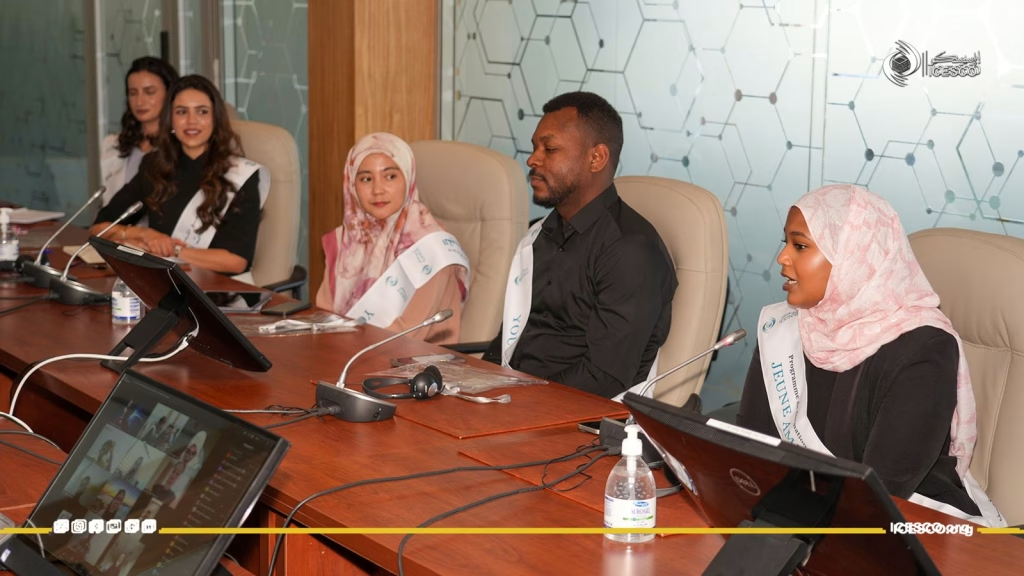
    The Islamic World Educational, Scientific and Cultural Organization (ICESCO) launched the 4th edition of its Leadership Training in Peace and Security (LTIPS) Program during an opening meeting held on Wednesday, April 16, 2026, via videoconference, with the participation of representatives from previous cohorts and newly enrolled candidates from several countries across the Islamic world and beyond.

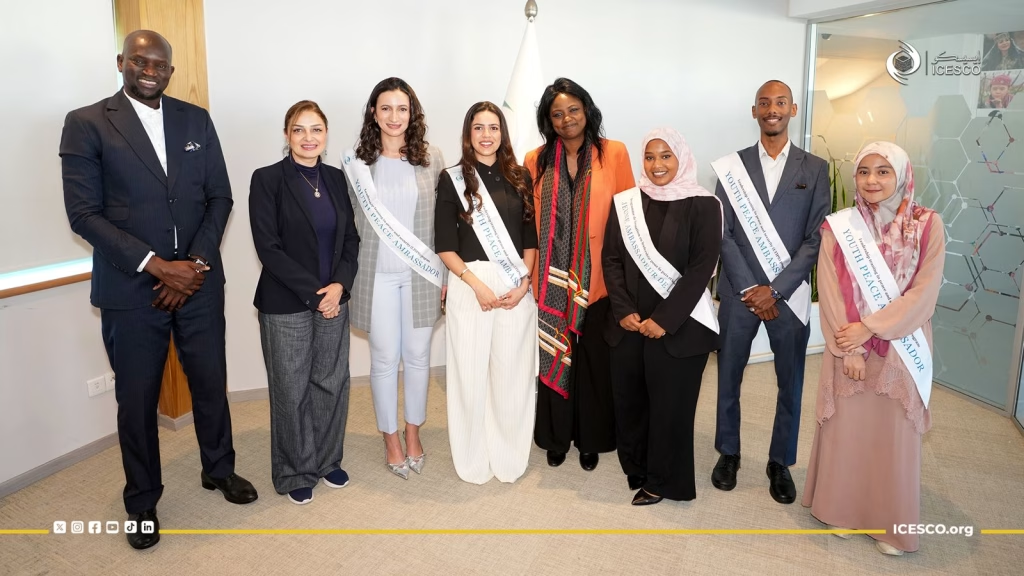
    The meeting marked the induction of 45 new Youth Ambassadors for Peace from 41 countries, a step that expands the program’s network and reinforces its standing as a key initiative aimed at preparing young people to play effective roles in promoting peace and stability. The meeting also served as an orientation and networking platform, enabling new candidates to familiarize themselves with the program’s objectives and practical pathways and to benefit from the experiences of previous cohorts.

    In her opening remarks, Ms. Ramata Almamy Mbaye, Head of the Social and Human Sciences Sector, affirmed that the Organization continues to strengthen its commitment to empowering youth and engaging them in peace and sustainable development issues, noting that equipping young people with leadership, dialogue, and collaborative skills is a fundamental pillar in addressing current challenges.

    She added that the launch of this new edition brings the total number of program network members to 227 Youth Ambassadors for Peace from 81 countries, reflecting the initiative’s growing reach and impact. She also explained that the designation of 2024 as ICESCO Youth Year forms part of a broader strategic vision that positions youth as key partners in shaping the future and fostering the values of peace and development.

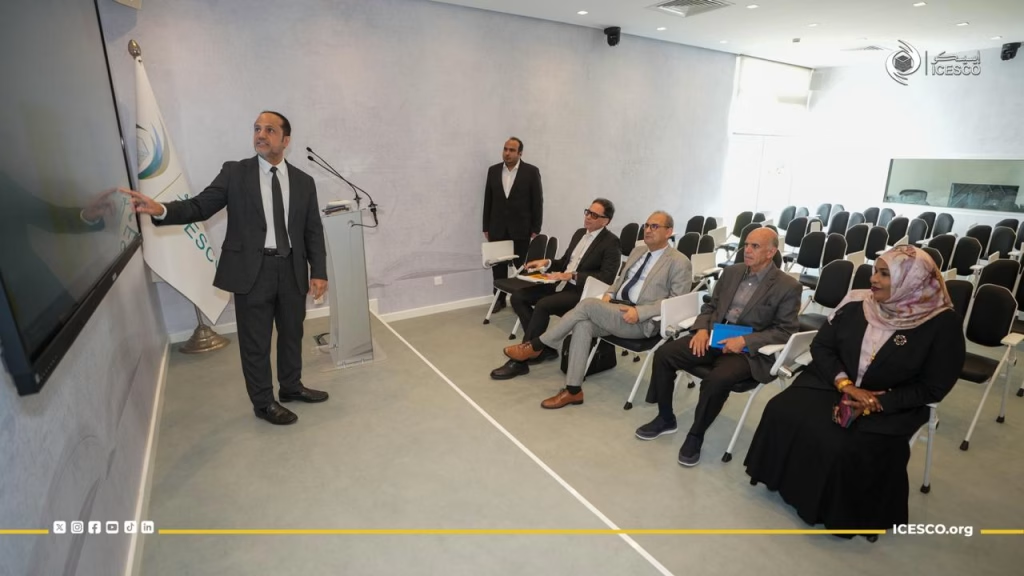
    For his part, Mr. Alioune Ndiaye, Head of Peace Division at ICESCO, reviewed the program’s organizational and operational aspects, including its structure, objectives, code of conduct, and operational framework, with a view to enabling candidates to understand their responsibilities as Youth Ambassadors for Peace.

    The session concluded with an interactive exchange among candidates, during which they shared introductions and experiences, while representatives of the three previous cohorts presented testimonials highlighting the program’s impact in building a growing international youth network.

    ICESCO Inaugurates Sultan Qaboos Library at Its Headquarters in Rabat

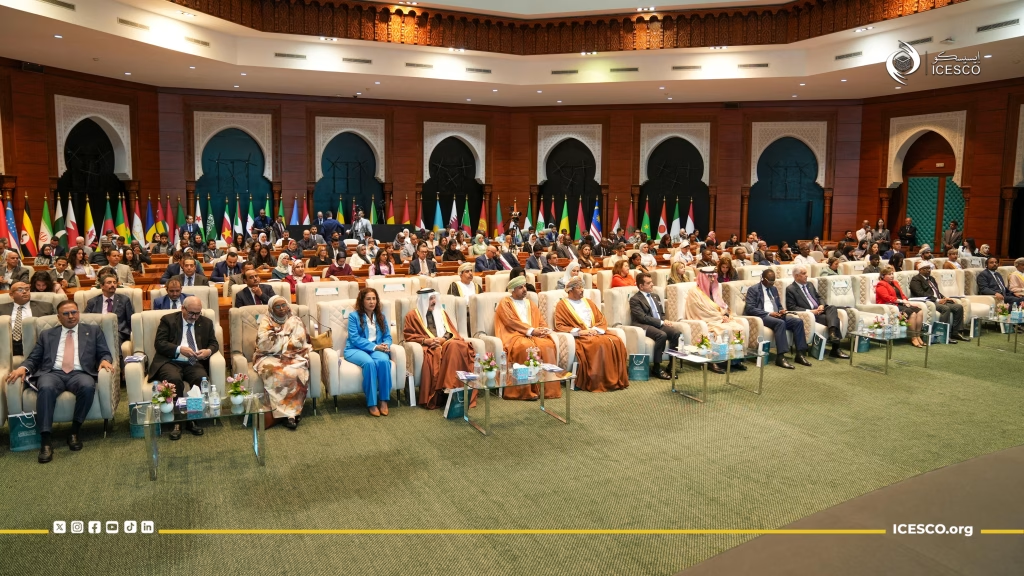
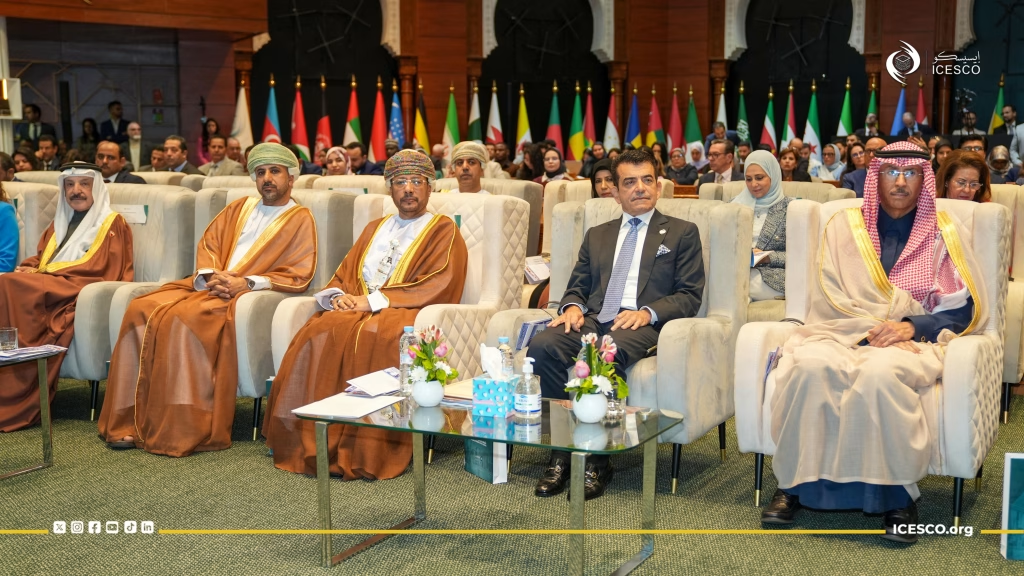
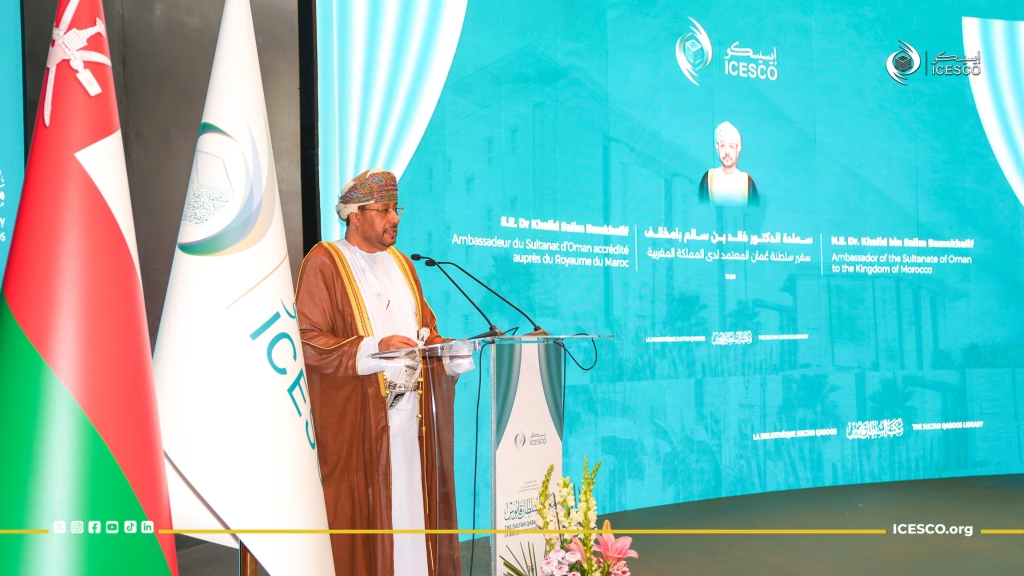
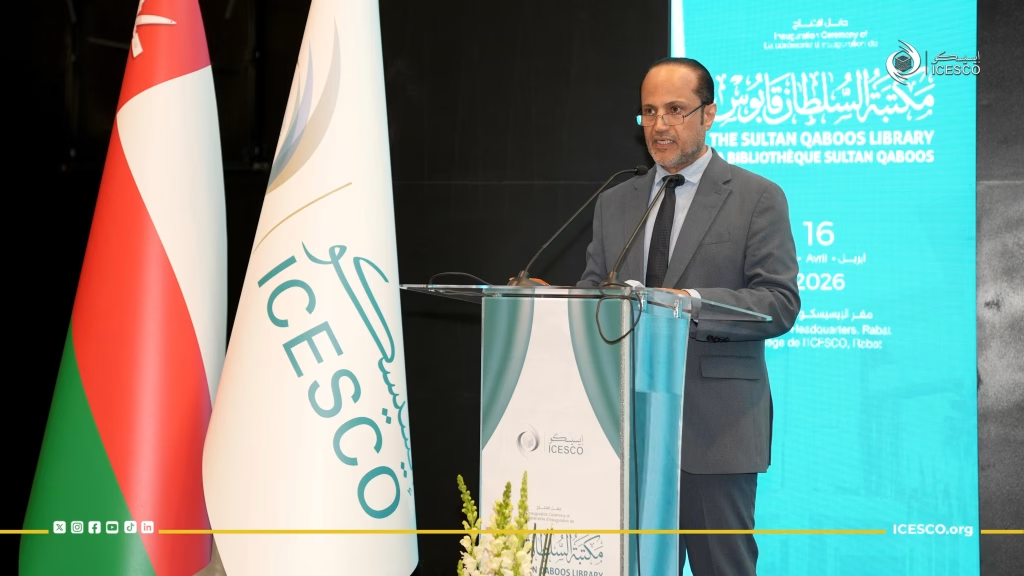
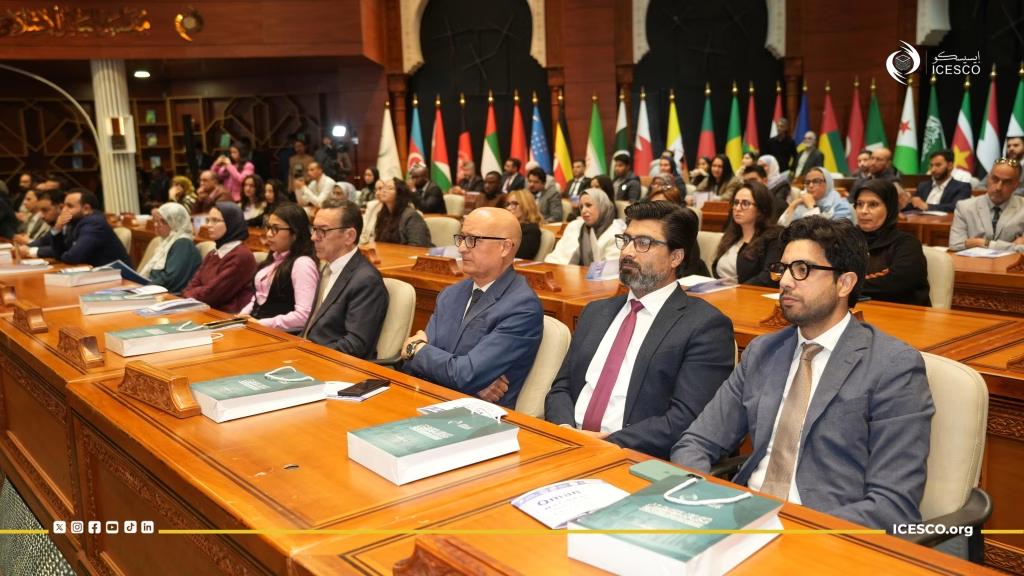
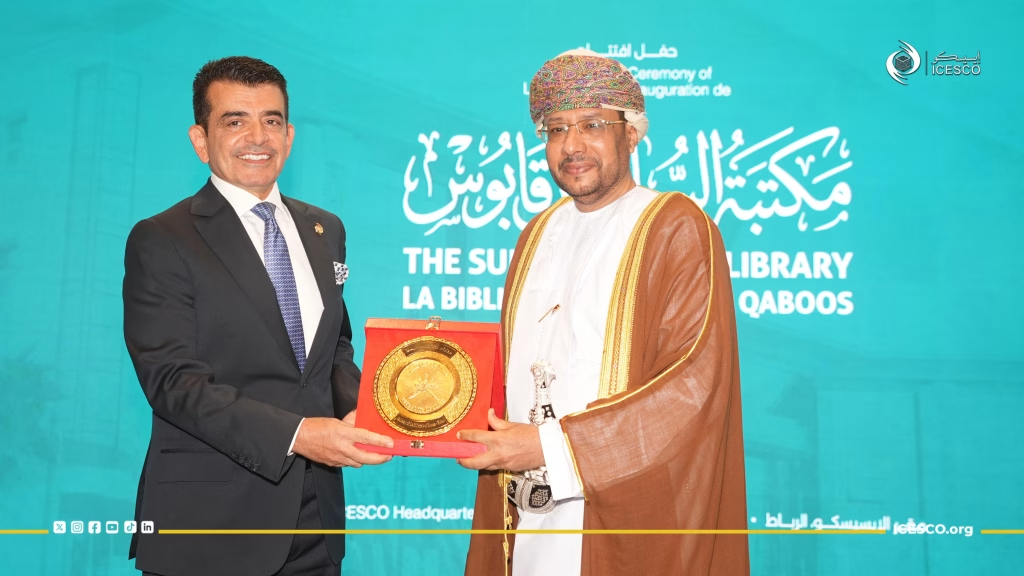
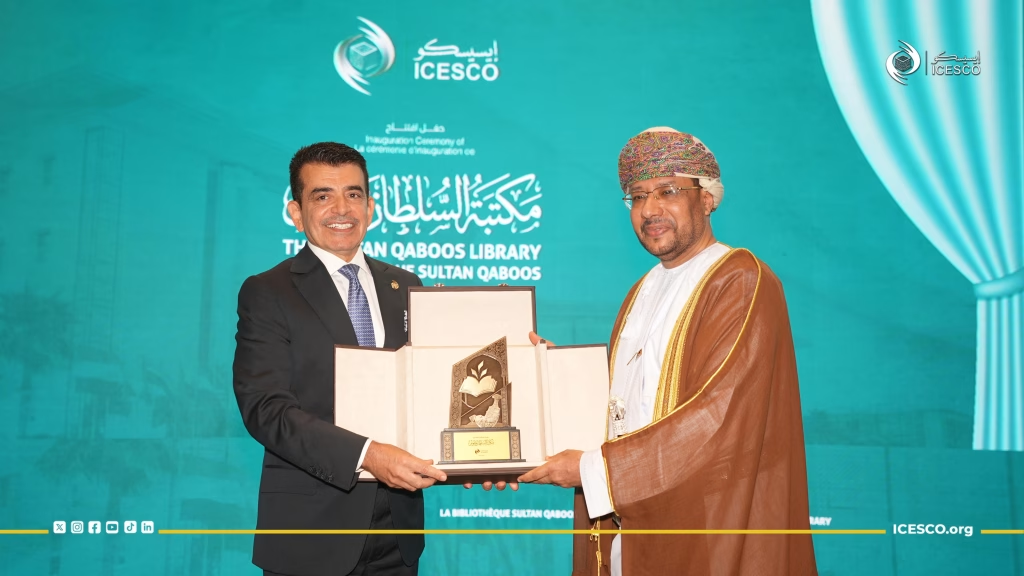
    The Islamic World Educational, Scientific and Cultural Organization (ICESCO), in partnership with the Sultanate of Oman, inaugurated the Sultan Qaboos Library at its headquarters in Rabat during a high-level ceremony held on Thursday, 16 April 2026, attended by a large number of ambassadors, officials from cultural organizations and institutions, and a group of prominent thinkers, researchers, and writers.

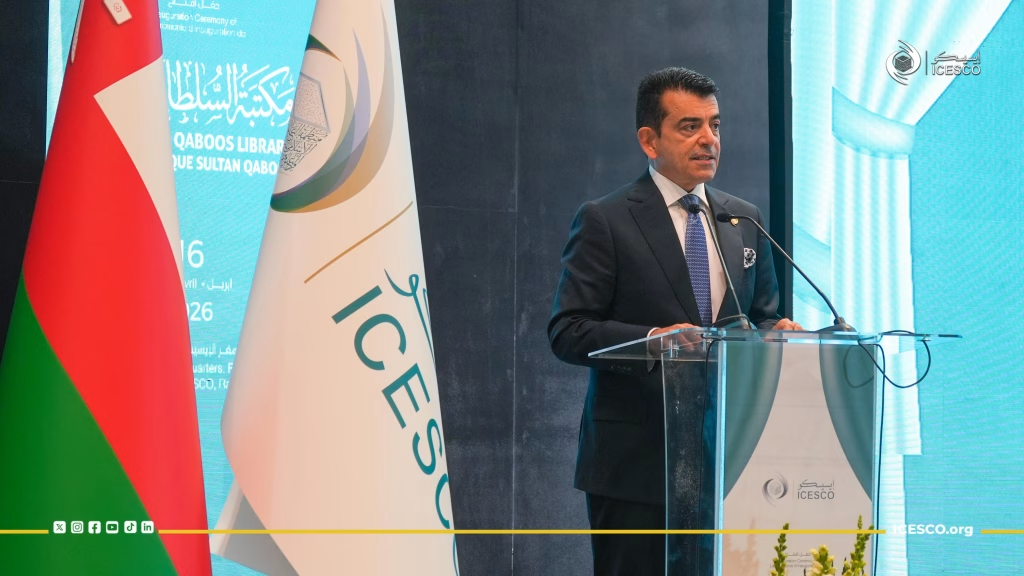
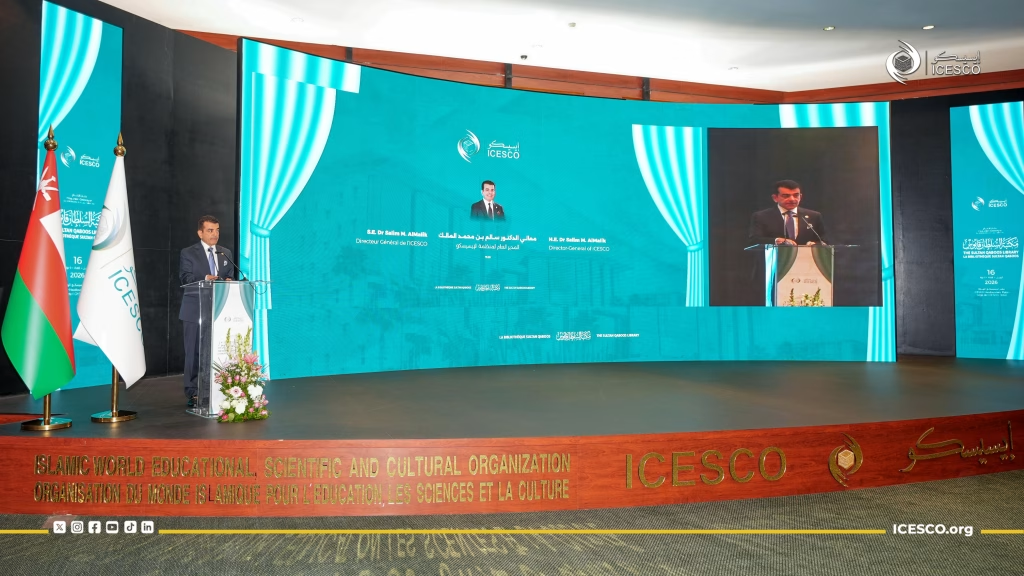
    The inauguration ceremony opened with a recitation of verses from the Holy Quran, followed by an address by Dr. Salim M. AlMalik, Director-General of ICESCO, in which he emphasized that libraries are civilizational landmarks and repositories of humanity’s intellectual wealth. He noted that the Islamic world is a civilization of the book, whose first revealed word was “Read,” and the civilization of the House of Wisdom Library in Baghdad, which served as a center for research, translation, and publishing.

    Dr. AlMalik added that ICESCO is inaugurating today a library bearing the name of an exceptional leader known for his devotion to knowledge and culture, the late Sultan Qaboos, may Allah rest his soul. He pointed out that the library represents ICESCO’s gift to the Islamic world at a time when the status of the book has declined, and concluded his remarks by expressing gratitude to the leadership and government of the Sultanate of Oman.

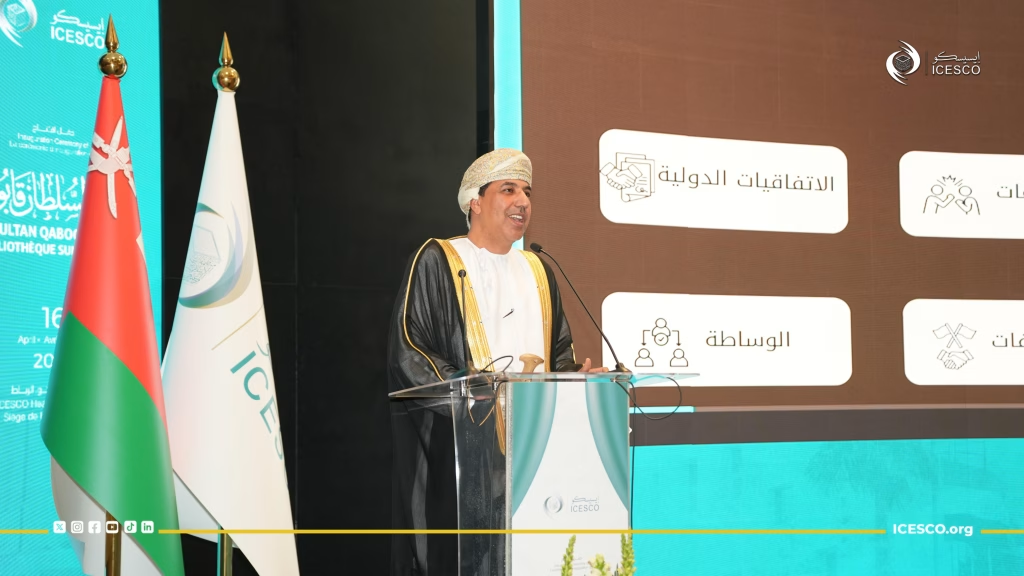
    For his part, Ambassador Khalid Salim Bamakhalif, Ambassador of the Sultanate of Oman to the Kingdom of Morocco, praised the inauguration of the Sultan Qaboos Library at ICESCO headquarters, considering it a message affirming that knowledge will remain the strongest bond among peoples, and that investment in culture is an investment in the future of humanity. He also stressed that the relationship between ICESCO and the Sultanate of Oman stands as a model of cooperation based on supporting cultural and scientific action in the Islamic world.

    Introducing the ceremony, Dr. Ahmed Albanyan, Director of the Translation and Publishing Center at ICESCO, highlighted the role of libraries throughout history, noting that they have consistently served as incubators of thought and platforms for civilizational interaction.

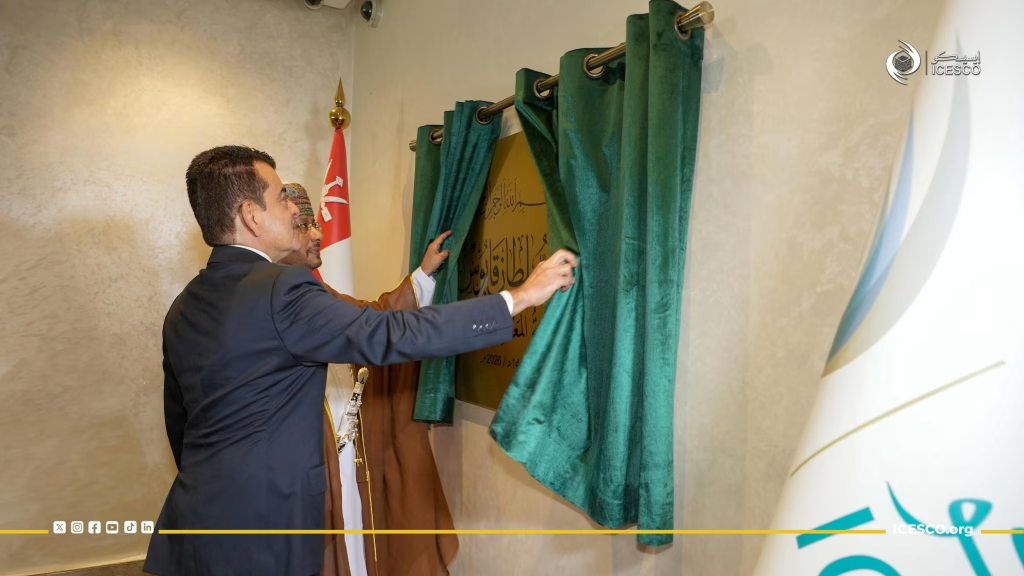
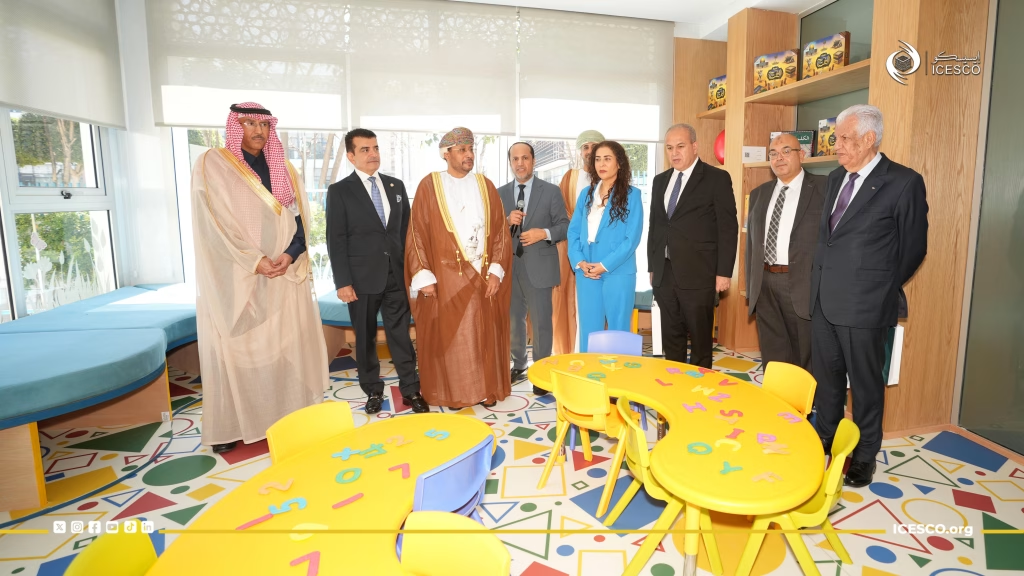
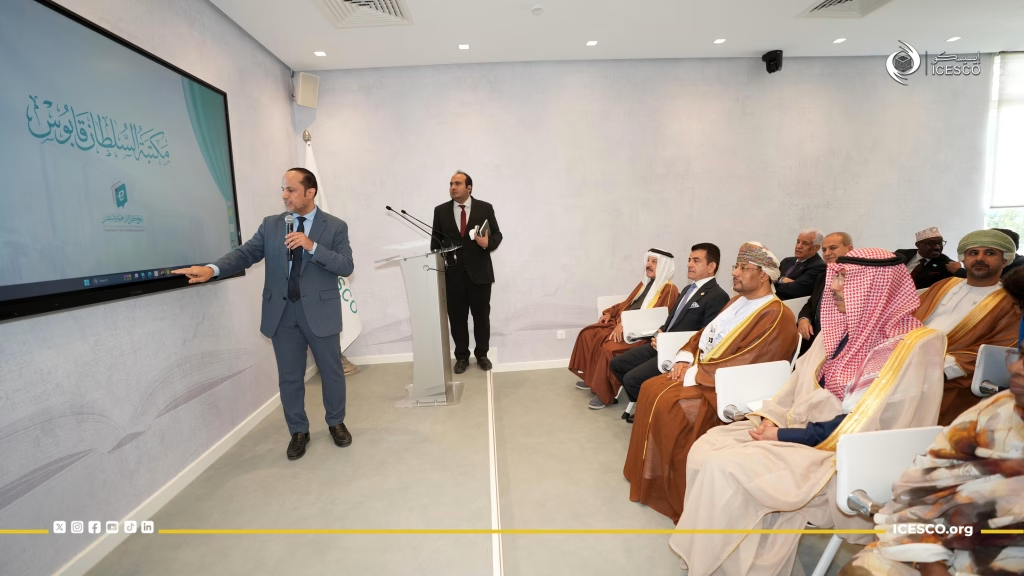
    This was followed by the official opening of the library, during which Dr. AlMalik and Ambassador Bamakhalif unveiled the commemorative plaque and accompanied senior guests on a tour of the library’s facilities, with explanations provided on the knowledge edifice, including reading halls, multidisciplinary spaces, and a dedicated area for children.

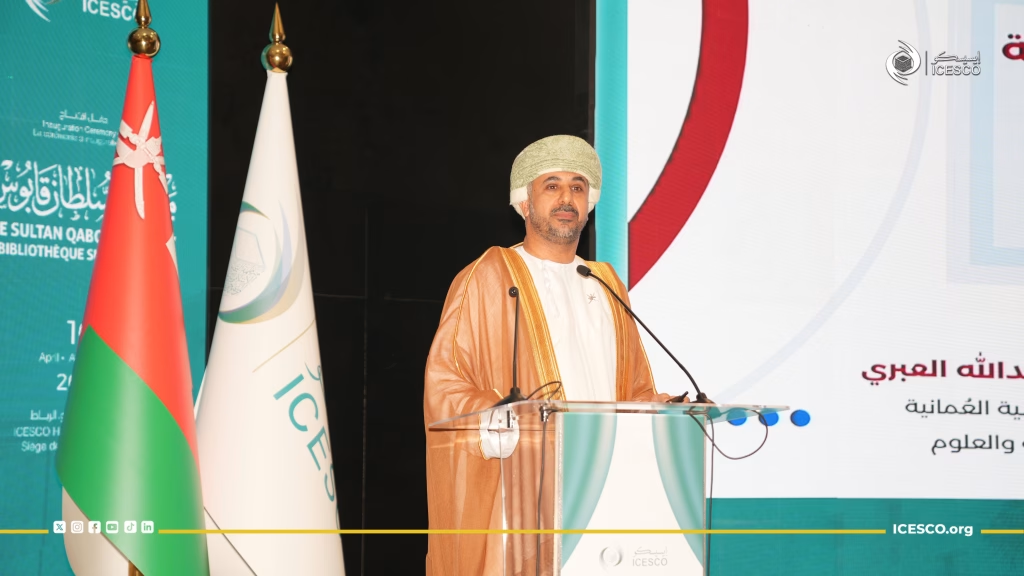
    The inauguration was followed by an intellectual symposium featuring three presentations. The first, titled “Libraries Between Preserving Heritage and Shaping Cultural Transformation,” was delivered by Dr. Albanyan. Dr. Salim Al Habsi, Director of the General Secretariat of National Commissions and Conferences at ICESCO, presented a paper on Omani cultural diplomacy and the means and mechanisms for its deployment, highlighting elements of the history and heritage of the Sultanate of Oman, as well as the distinction between cultural diplomacy and political diplomacy. Dr. Mahmoud bin Abdullah Al Abri, Secretary-General of the Omani National Commission for Education, Culture and Science, reviewed his country’s relations with international organizations concerned with cultural affairs, taking ICESCO as a model.

    The library provides a reading and research space equipped with the latest technological media and interactive devices. In its first phase, it includes more than 6,000 print titles, alongside a digital extension offering nearly 200,000 works available through ICESCO’s digital platform. The library also houses a number of rare documentary treasures, including a copy of the Holy Quran transcribed in the hand of Ibn Al-Bawwab.

    ICESCO Publishes New Book on Contemporary Moroccan Sufi Poetry

    The Islamic World Educational, Scientific and Cultural Organization (ICESCO) published a new book titled “The Secrets of Mastery in Contemporary Moroccan Sufi Poetry: Irfani Illuminations in the Poetry of Ahmed Mufdi”, by Moroccan researcher Dr. Abdelkrim Errhioui. This publication is part of the first releases of the Program of Research Excellence in Arabic Language and Literature, supervised by the ICESCO Center of Arabic to Non-Arabic Speakers.

    The book explores the experience of Moroccan poet Ahmed Mufdi, as one of the most prominent voices in contemporary Moroccan Sufi poetry, focusing on what distinguishes his texts in terms of symbolic density, semantic richness, and the ability to combine heritage with contemporaneity, as well as artistic beauty with gnostic knowledge. The author also approaches this poetry from a critical perspective that seeks to highlight its expressive specificity and the broad possibilities it offers for interpretation and for exploring the spiritual and aesthetic dimensions of poetic discourse.

    This publication brings to light the notion of “mastery” in this poetic genre, not as mere linguistic skill, but as the fruit of a profound existential and epistemological experience, one in which language becomes an instrument of unveiling, poetry a space for generating meaning, and the Sufi symbolic expression a vehicle for passage from the outward expression of words to the inward depths of signification.

    This work aims to contribute to enriching literary and linguistic studies and to open new horizons for thinking about contemporary Moroccan Sufi poetry as a living discourse capable of renewal and creativity.

    Access the publication via the following link:
    https://icesco.org/vgsj

    ICESCO Showcases Its Vision for the Future of Digital Transformation and AI at GITEX Africa 2026

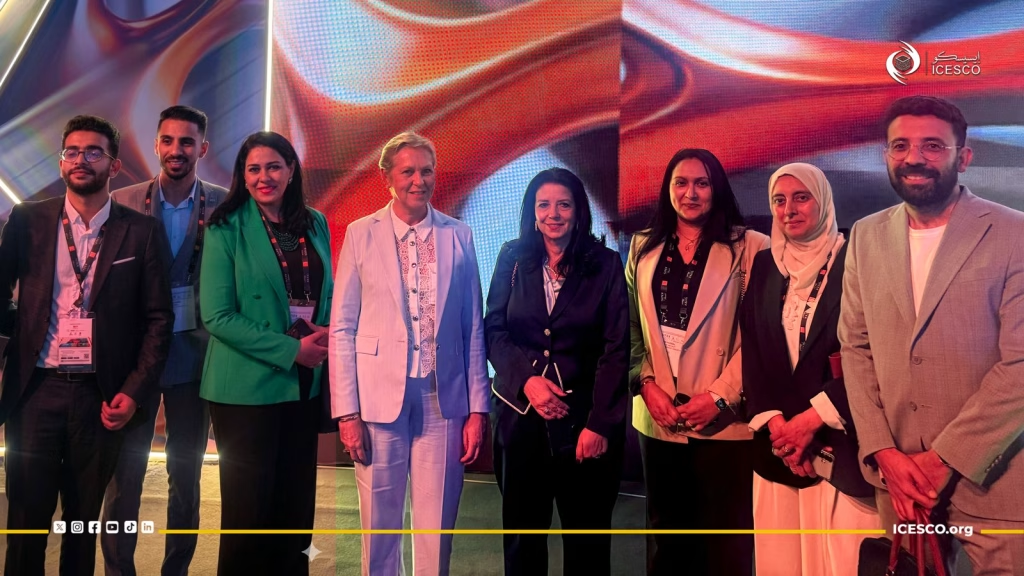
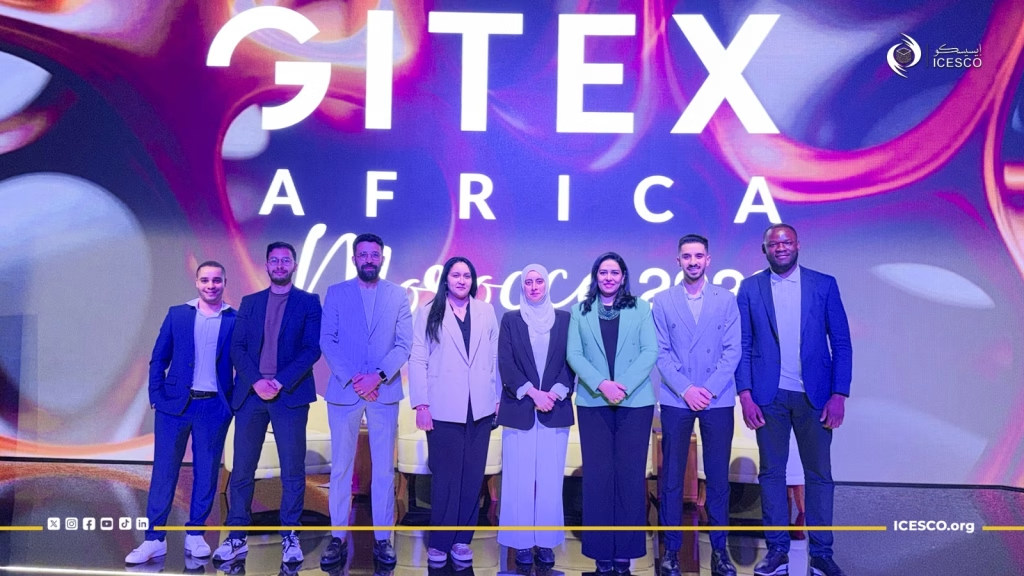
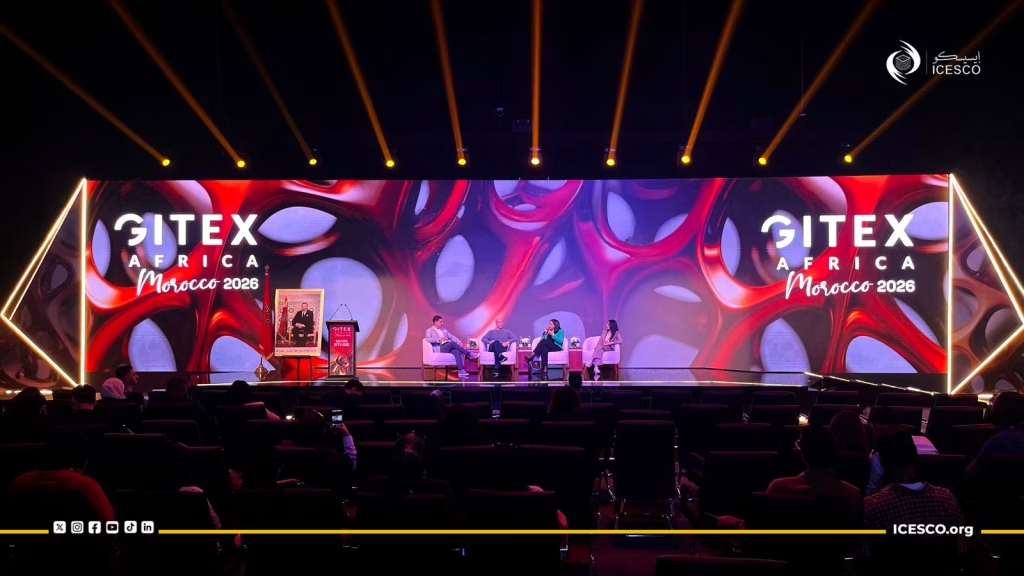
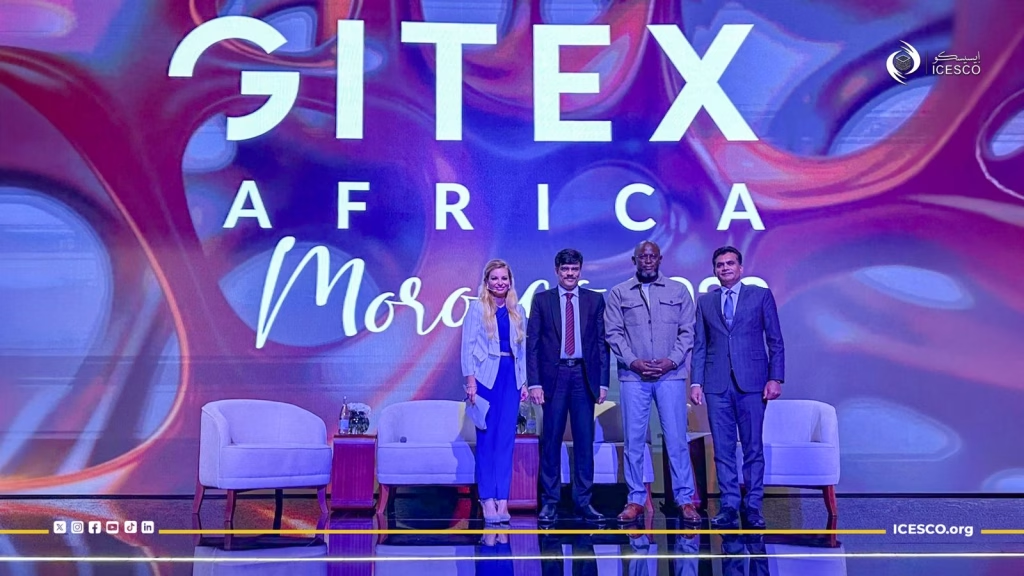
    The Islamic World Educational, Scientific and Cultural Organization (ICESCO) recorded a distinguished presence at the fourth edition of Gitex Africa Morocco 2026, with the ICESCO delegation contributing high-level engagements addressing key issues such as cybersecurity, future labor markets, digital education, and skills development aligned with the AI-driven economy.

    The exhibition featured a series of prominent activities and interventions by the ICESCO delegation, coordinated by the Organization’s Department of Digital Transformation. Dr. Muhammad Sharif, Advisor at the Science and Environment Sector at ICESCO, participated as a keynote speaker in a specialized panel discussion on cybersecurity and digital identity, alongside a select group of leading experts. In his intervention, he highlighted the critical role of secure and inclusive digital identity systems in enhancing the efficiency of public service delivery, strengthening citizen trust, and advancing digital governance across Member States.

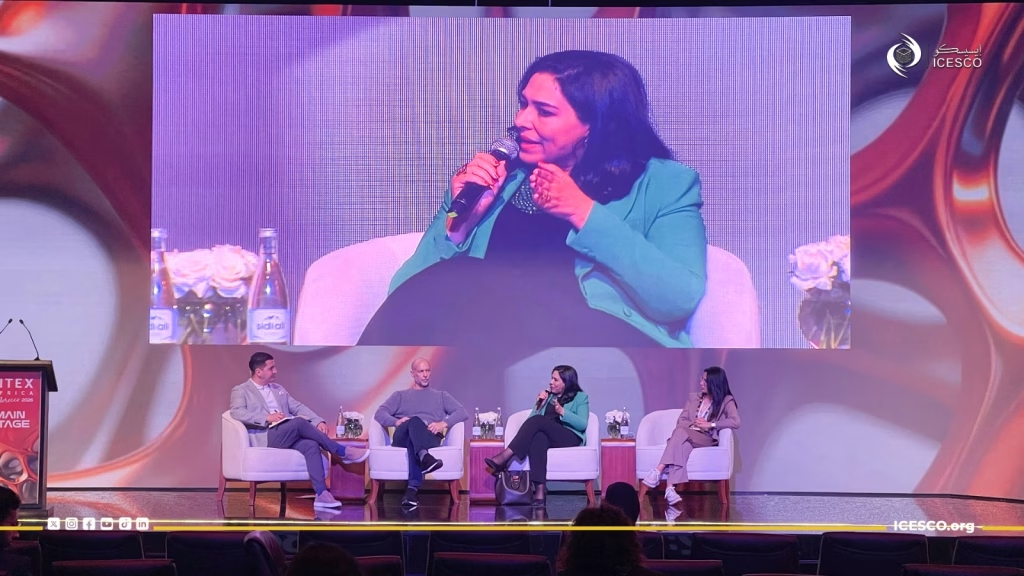
    For her part, Dr. Sally Mabrouk, Head of the Director-General’s Office and Supervisor of the Strategy and Institutional Excellence Sector, and Head of the Department of Digital Transformation, took part in a dialogue session entitled “What Does the Future of Work Mean for Africa?”. She highlighted the importance of transforming African education systems into advanced, data-driven digital platforms aligned with future labor markets. She also emphasized how AI-powered learning can play an effective role in reskilling the workforce and preparing it for the jobs of the future.

    Dr. Adel Smeda, Supervisor of the Science and Environment Sector, also contributed scientific insights during a panel discussion on work and upskilling for the AI economy, stressing the urgent need for a qualitative shift in education systems, moving away from rigid traditional curricula toward flexible, skills-based frameworks.

    It is worth noting that the international exhibition was held in the city of Marrakech under the High Patronage of His Majesty King Mohammed VI, may God assist him, from 7 to 9 April 2026, under the theme “Catalyzing Africa’s Digital Economy in the Age of Artificial Intelligence.”

    Third Edition of the Forum of Academic Chairs Affiliated with International Organizations Held in Rabat with ICESCO’s Participation

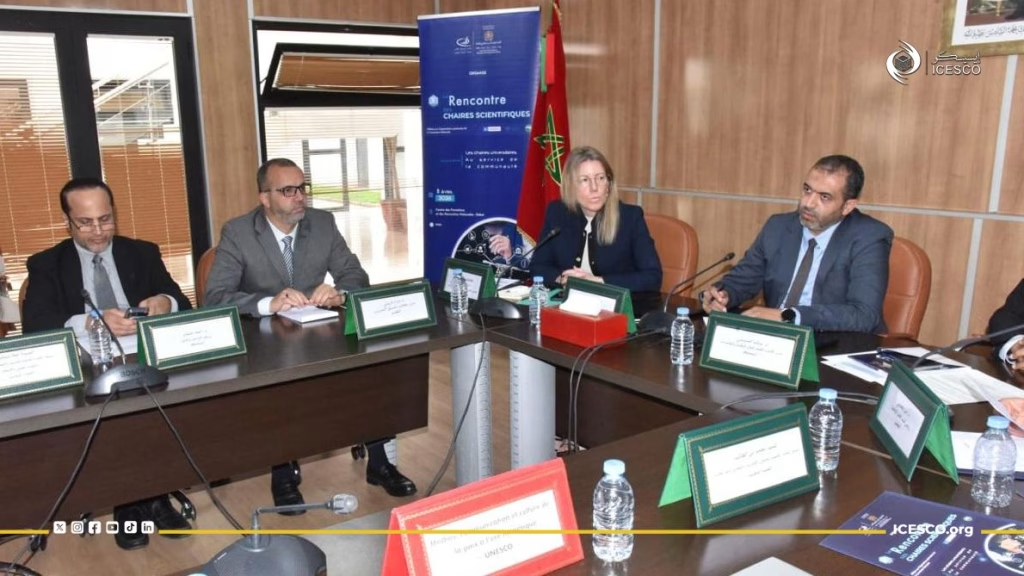
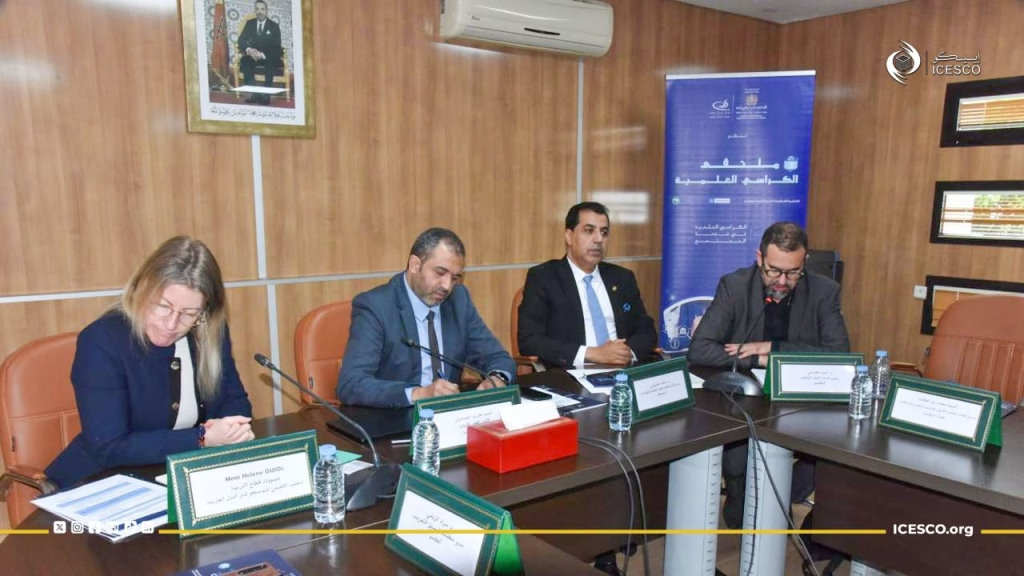
    The Moroccan capital, Rabat, hosted the third edition of the Forum of Academic Chairs affiliated with international organizations, which was organized by the Islamic World Educational, Scientific and Cultural Organization (ICESCO) in collaboration with the Moroccan National Commission for Education, Science and Culture and the United Nations Educational, Scientific and Cultural Organization (UNESCO), as well as a number of concerned international organizations, in the presence of experts, academics, and representatives of universities and research institutions.

    Held on Wednesday, April 8, 2026, the meeting, themed “Academic Chairs in the Service of Society,” aimed to strengthen coordination and communication among academic chairs affiliated with international organizations, as well as share expertise and successful experiences. This will contribute to enhancing their performance and expanding their influence in the fields of knowledge and development.
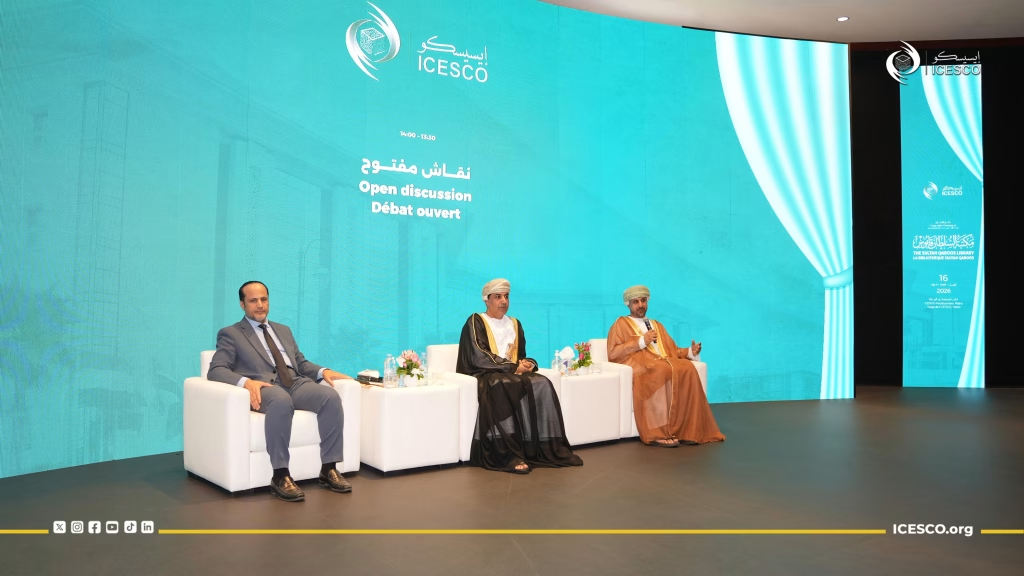
    During the forum, Dr. Ahmed Albanyan, Director of ICESCO’s Translation and Publishing Centre, gave a presentation on ICESCO’s model for academic chairs. He outlined the governance pillars, impact measurement mechanisms, and partnership-building methods with universities and academic institutions.

    Dr. Albanyan emphasized that developing this model would enhance the effectiveness of the Chairs and consolidate their developmental and knowledge-based role, thereby ensuring their contribution to addressing priority issues within Member States.
    Dr. Salim Al-Habsi, Director of the General Secretariat for National Commissions and Conferences at ICESCO, also took part in the Forum’s sessions, stressing the importance of coordinating efforts between national commissions and academic and research institutions to enhance the performance of the scientific chairs and expand their scope of influence. He stressed the need to make these chairs effective platforms for linking scientific research to the needs of society and public policies.
    The Forum addressed a range of topics related to the role of academic chairs in supporting scientific research, strengthening academic partnerships, and transforming knowledge into practical solutions with a direct impact on society, before concluding with the issuance of recommendations calling for support for the system of research chairs, the development of their operational mechanisms, and the enhancement of their contribution to knowledge production.

    ICESCO Participates in “GITEX Africa Morocco” For the Fourth Consecutive Year

    The Islamic World Educational, Scientific and Cultural Organization (ICESCO) is participating in the fourth edition of the “GITEX Africa Morocco” exhibition, held from 7 to 9 April 2026, under the High Patronage of His Majesty King Mohammed VI, in the city of Marrakech, Kingdom of Morocco, under the theme: “Catalyzing Africa’s Digital Economy in the Age of Artificial Intelligence.” The event is witnessing remarkable attendance, bringing together around 50,000 participants and more than 1,450 exhibitors representing 130 countries.

    ICESCO’s participation in Africa’s leading event dedicated to technology, innovation, and entrepreneurship crowns its continued presence for the fourth consecutive year. This participation, overseen by ICESCO’s Department of Digital Transformation, reflects the Organization’s firm commitment to positioning the countries of the Islamic world at the forefront of the global digital revolution, enhancing the capacities of young talent, and accelerating comprehensive and sustainable technological development in its Member States.

    Furthermore, this participation is marked by the organization of three high-level sessions in the exhibition’s main hall, which will highlight the strategic importance of integrating technology into educational systems, explore pathways to achieving digital equity, and emphasize the urgent need to ensure that the most vulnerable groups are not left behind in the course of digital advancement.

    Members of ICESCO’s Department of Digital Transformation are also actively participating in multiple workshops, reflecting the Organization’s commitment to embedding its young talents at the heart of the startup and innovation ecosystem.

    Since the inaugural edition of the exhibition, ICESCO has stood out as an active institutional partner, embodying a strategic vision that recognizes that meaningful digital transformation in the Islamic world requires sustained investment and inclusive platforms that bridge the gap between leadership and the emerging generation of innovators.

    In this context, ICESCO commends the exceptional development witnessed by the exhibition, which is rapidly evolving into one of the most important strategic technological gatherings on both the African and global scenes. This reflects the capacity of the Kingdom of Morocco to host major events, foster innovation, and lead with a forward-looking vision toward the future.

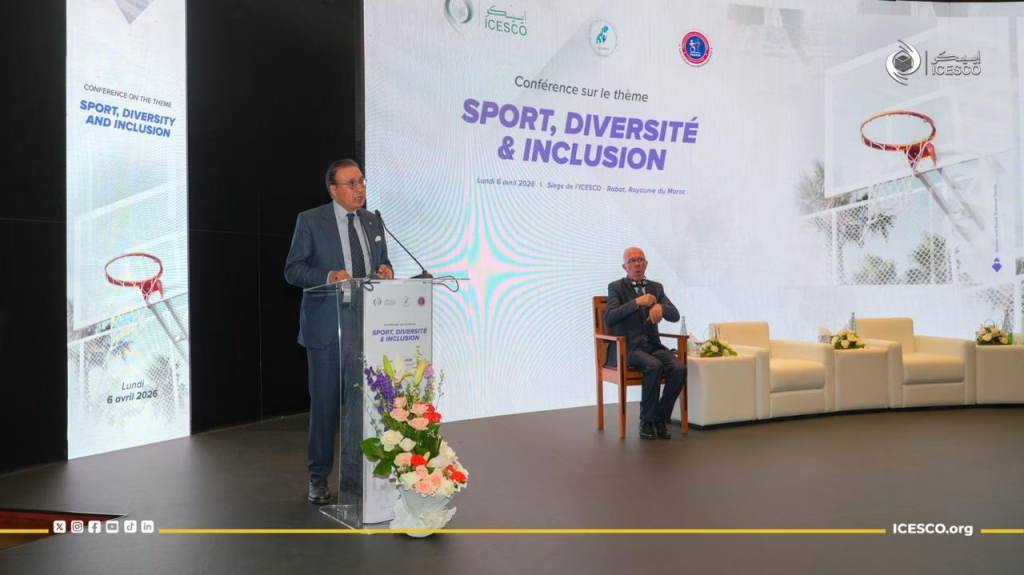
    ICESCO Holds International Conference on Sports, Diversity, Inclusion With Participation of Paralympic Champions

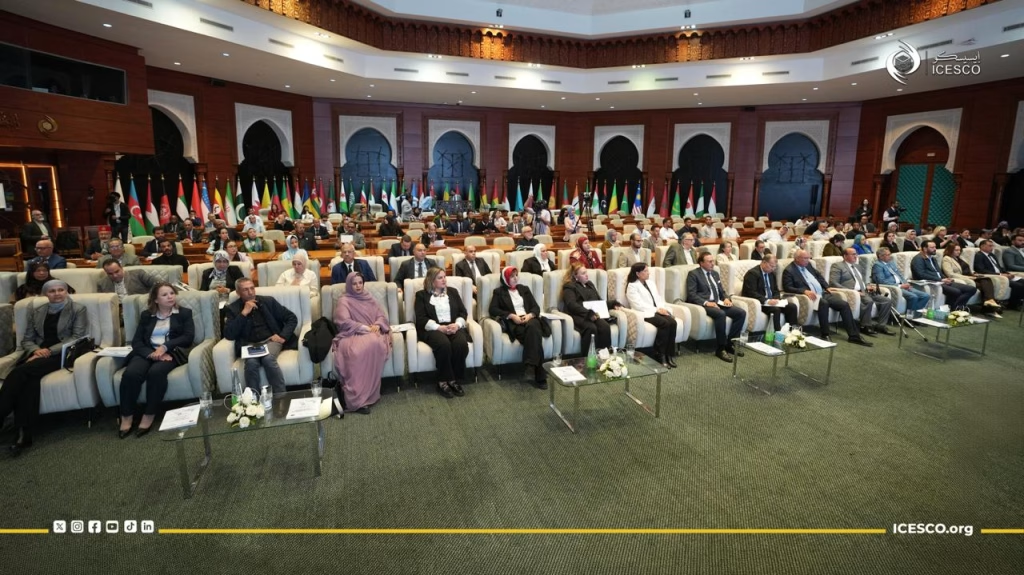
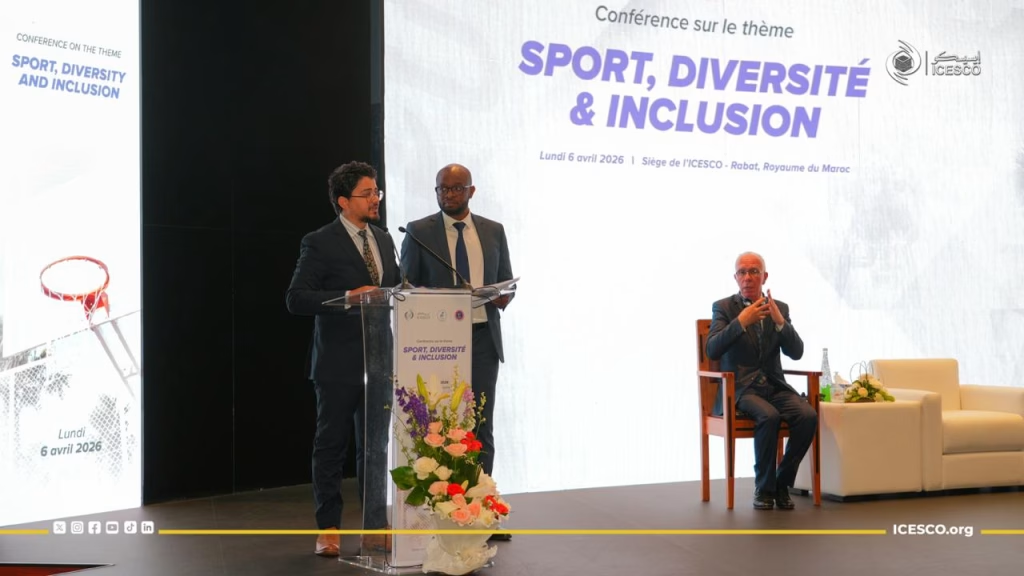
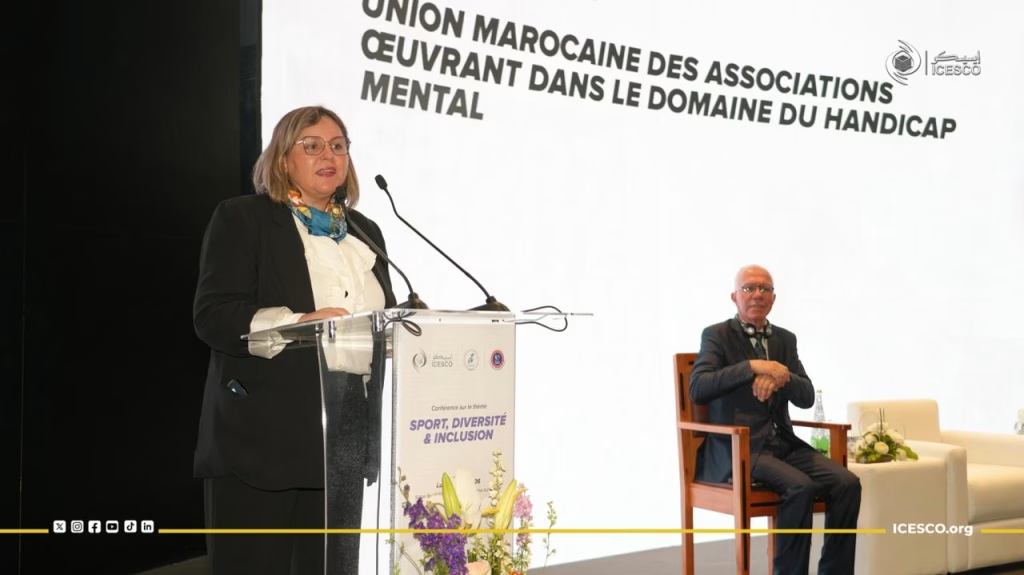
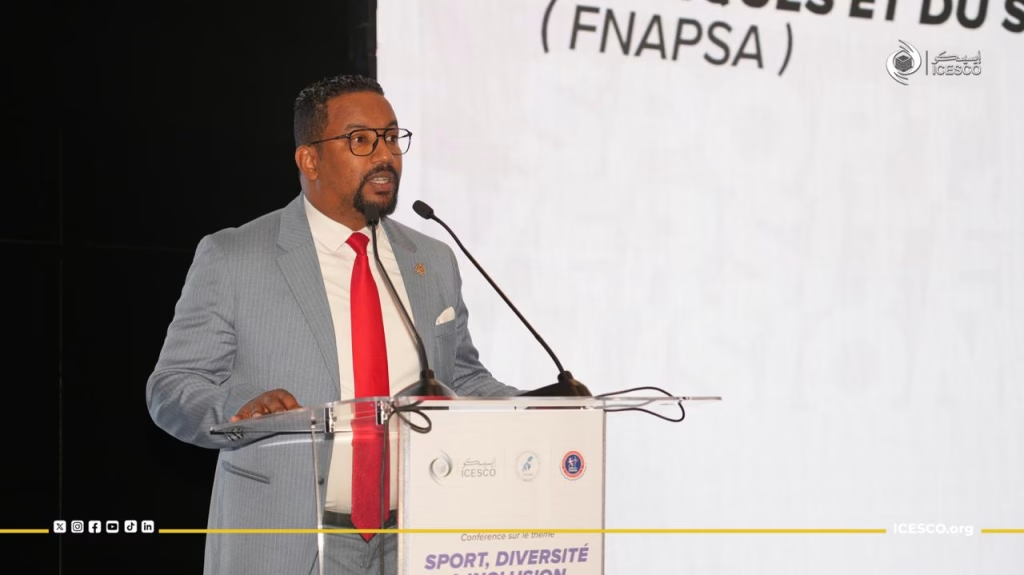
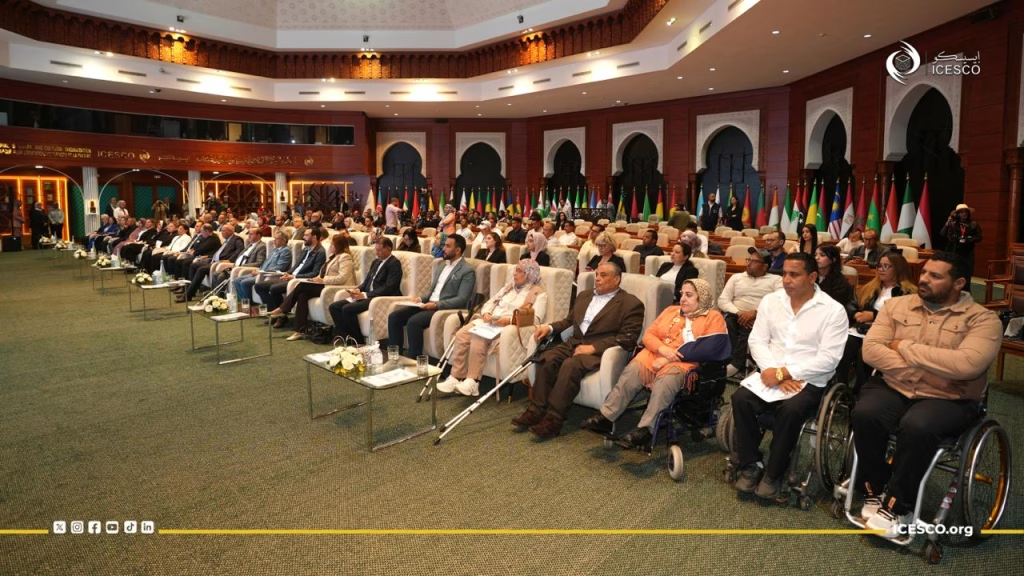
    The Islamic World Educational, Scientific and Cultural Organization (ICESCO), in partnership with the Moroccan Federation of Associations Working in the Field of Intellectual Disability and the National Federation of Specialized Physical and Sports Activities, organized an international conference titled “Sports, Diversity and Inclusion,” with the participation of experts and specialists in education, social inclusion, and youth capacity building, as well as a number of Paralympic sports champions. The conference discussed ways to build more inclusive societies through the integration of persons with disabilities into the field of sports.

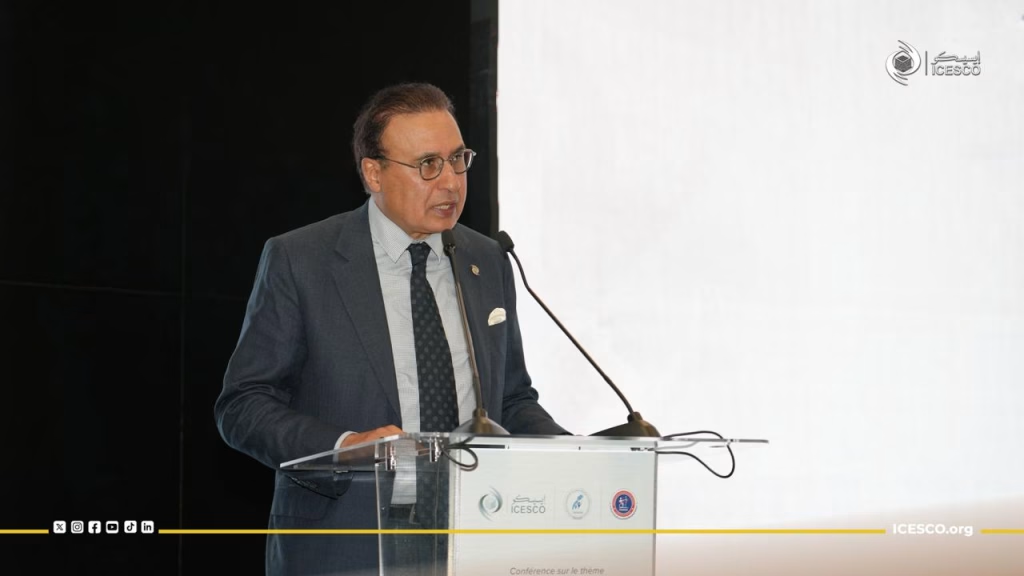
    The opening session of the conference, held on Monday, 6 April 2026, at ICESCO headquarters in Rabat, began with recitations from the Holy Quran delivered by the reciter with disabilities, Abdelrahman El-Zayne. This was followed by an address by Dr. Salim M. AlMalik, Director-General of ICESCO, delivered on his behalf by Dr. Abdelillah Benarafa, Deputy Director-General. At the outset of his remarks, he commended the efforts of the Kingdom of Morocco in promoting sports as a key driver for strengthening social cohesion and achieving health and well-being.

    He emphasized that inclusive sports offer individuals an opportunity to assert themselves within society and contribute to its development, in addition to fostering healthy lifestyles that help build a cohesive community. He noted that this approach is consistent with the teachings of Islam, which promote solidarity and support for the most vulnerable groups.

    He further highlighted ICESCO’s commitment to leveraging sports as a tool for social rehabilitation and peacebuilding through the “Sport for Social Change” initiative, which encompasses a package of programs and projects. He concluded by calling for inclusive sports programs, staff training that embraces the importance of diversity, and a leadership role for persons with disabilities, placing them at the heart of the sports scene, not on its margins.

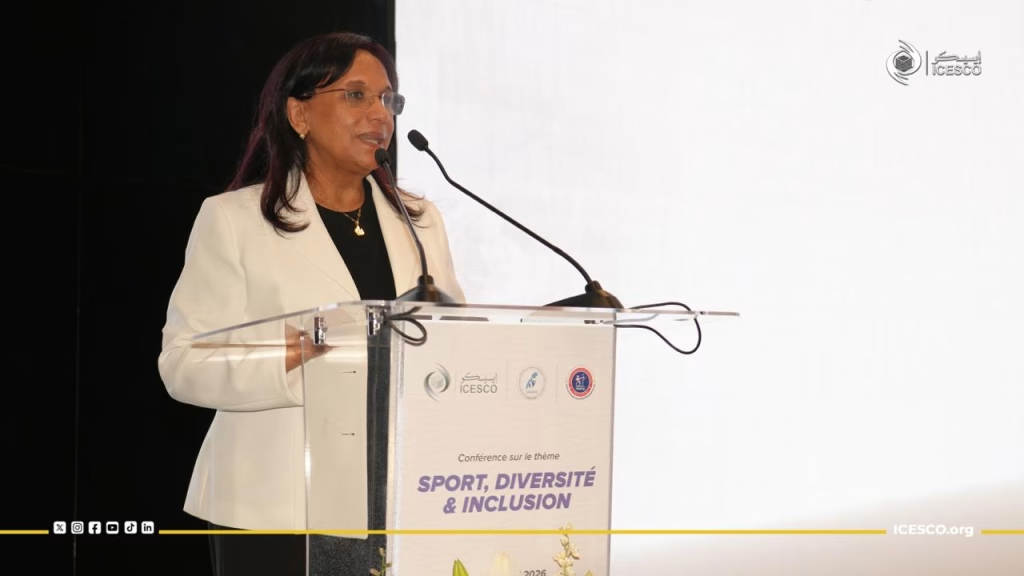
    For her part, Ms. Amina Bouayach, President of the National Human Rights Council of Morocco, affirmed that diversity and inclusion are fundamental principles in the field of human rights and are not limited to persons with disabilities alone, but extend to all segments of society regardless of race, gender, or religion.

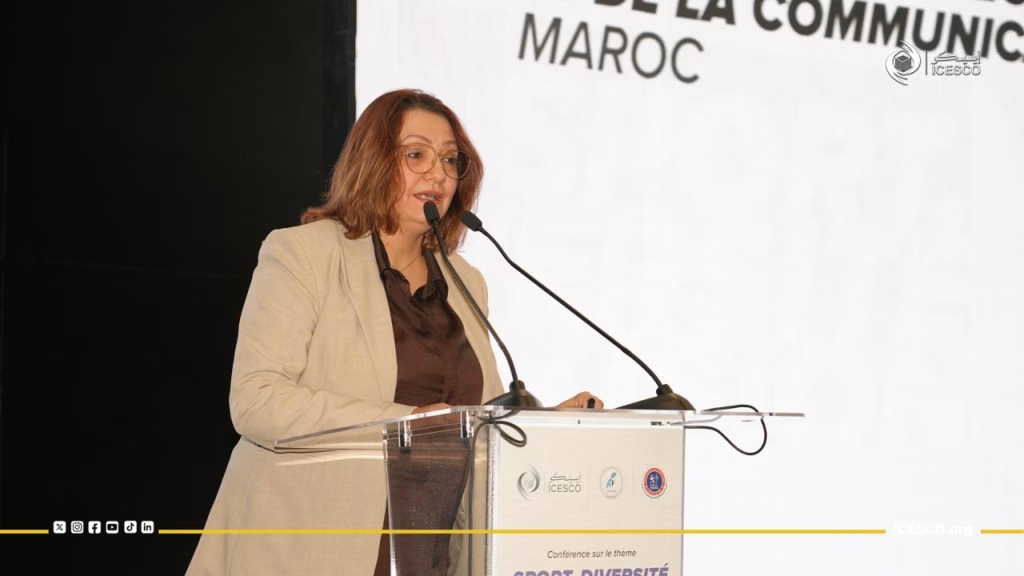
    Dr. Fadwa Rih, Head of the Division of Women’s Affairs at the Moroccan Ministry of Youth, Culture and Communication, pointed out that adaptive sports are of particular importance as a key entry point for achieving the effective inclusion of persons with disabilities, as they provide opportunities to express abilities, enhance self-confidence, and consolidate the principle of equal opportunities.

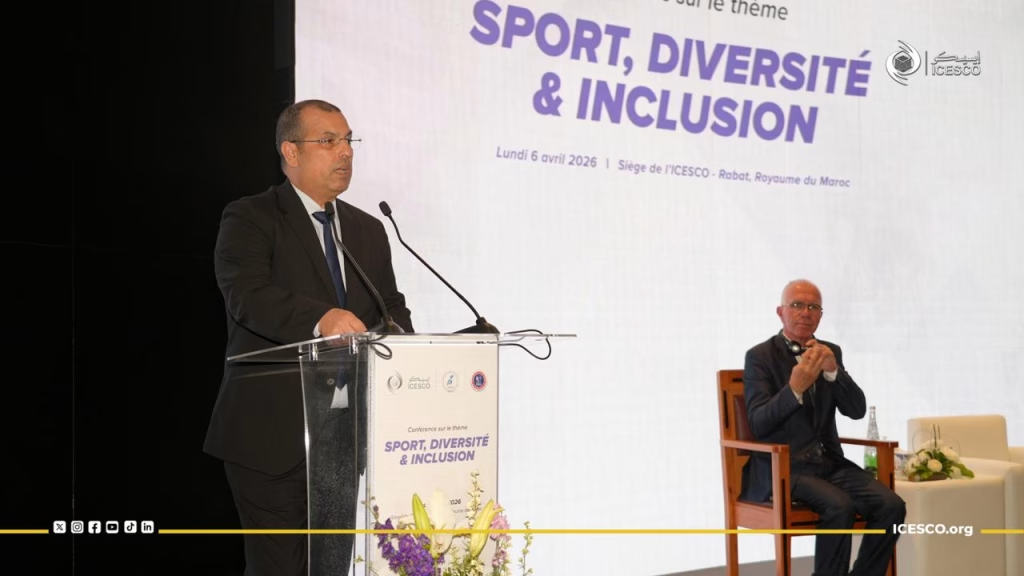
    Mr. Abdelaziz Drouiche, President of the Council of the Prefecture of Rabat, reviewed Morocco’s efforts to support and protect human rights in general, and the rights of persons with disabilities in particular, through a multidimensional approach. Ms. Nadia Attia, President of the Moroccan Federation of Associations Working in the Field of Intellectual Disability, shed light on the challenges facing women and girls with disabilities.

    In turn, Mr. Mounir Maissour, President of the National Federation of Physical Activities and Adapted Sports in Morocco, stressed that achieving full and effective participation of persons with disabilities in sports goes beyond ensuring access alone and requires the removal of barriers.

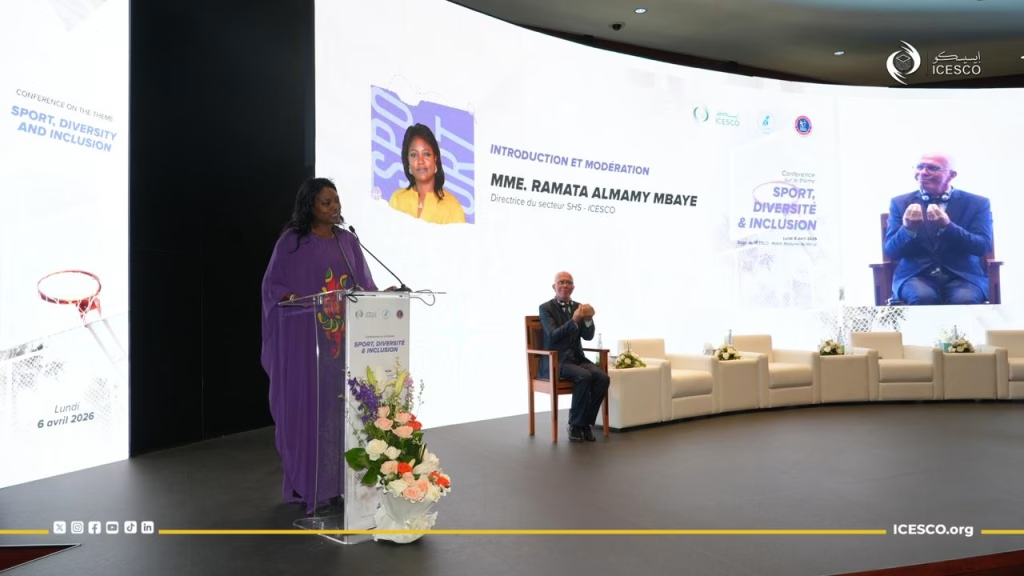
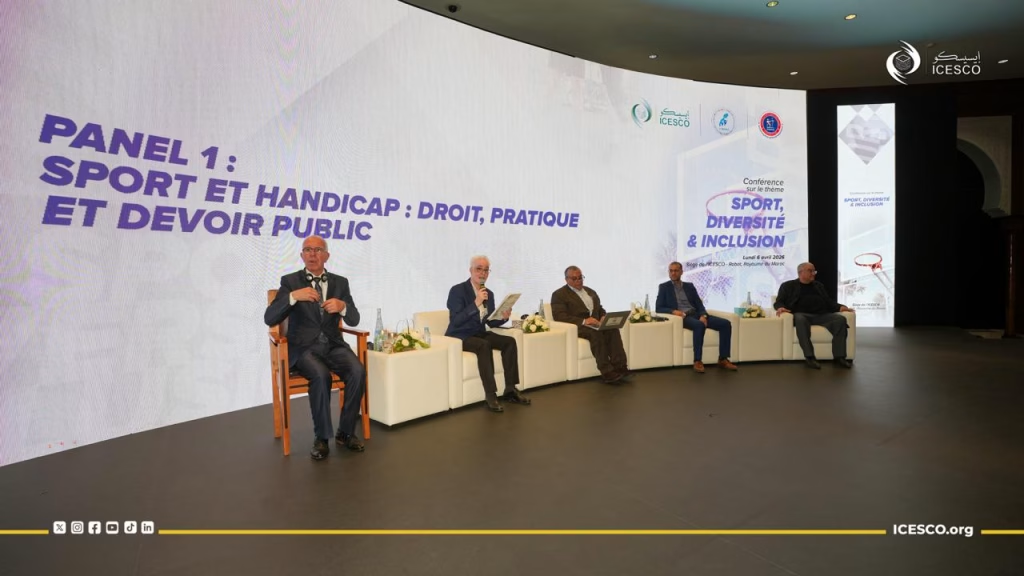
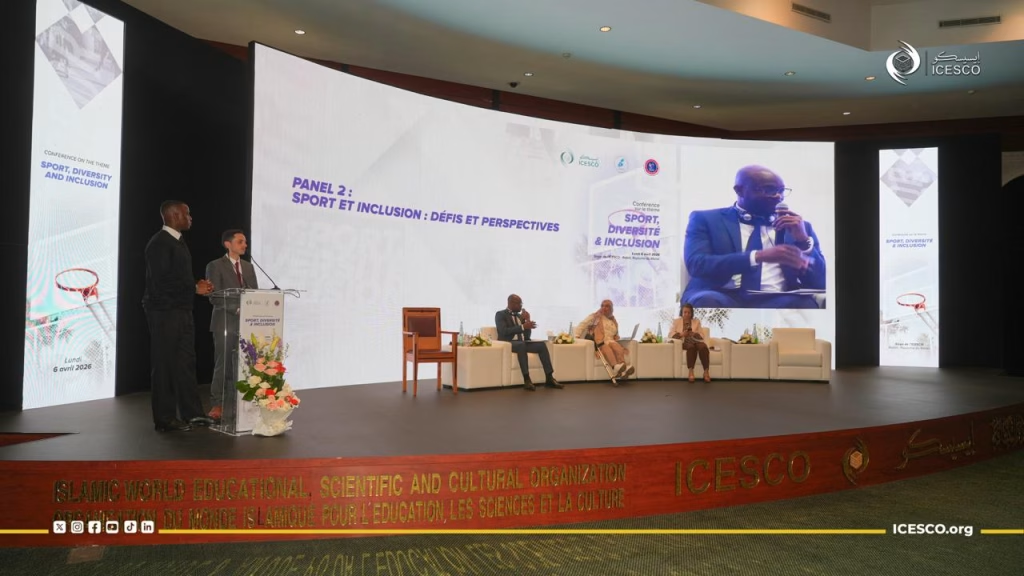
    Following the opening session, chaired by Ms. Ramata Almamy Mbaye, Head of the Human and Social Sciences Sector at ICESCO, the first session discussed the theme “Sports and Disability: Law, Practice and Public Duty,” while the second session focused on “Sports and Inclusion: Challenges and Prospects.”